
Better Together: Why Architecture and Interior Design Belong in One Room
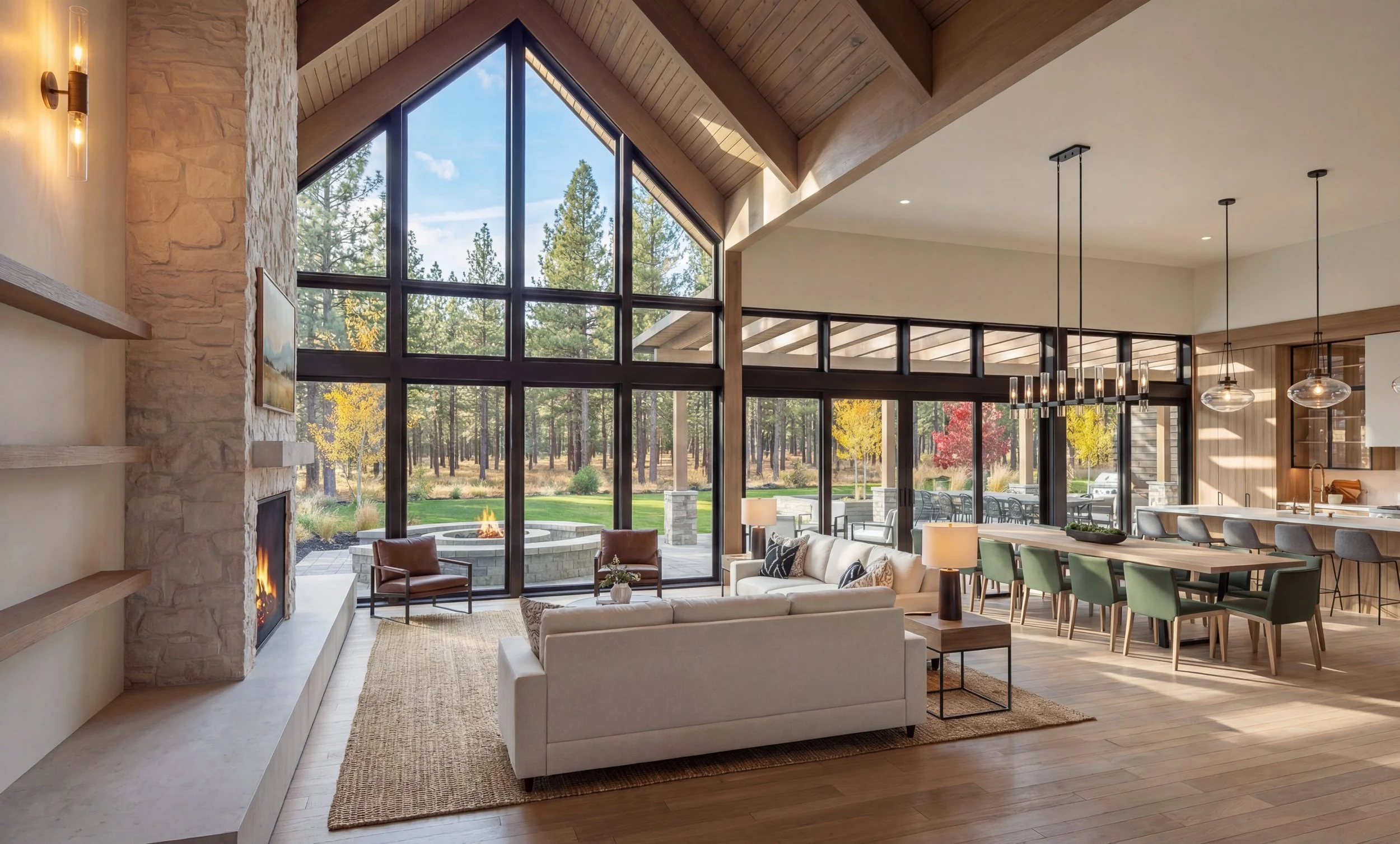
The Meadows House in Tumble Creek at Suncadia by Terralite Design
Building a custom home is often described as a journey, but for many homeowners, it feels more like acting as a high-stakes mediator between two different worlds. In the traditional model, you hire a designer to create the shell of the house and then, months later, bring in an interior designer to make it livable. It is a process that practically invites friction. Decisions made in a vacuum often lead to compromises during construction, and the result is frequently a house that feels like two good ideas that never quite learned how to have a conversation.
At Terralite Design, we decided long ago to skip that awkward middle phase. We believe that the exterior of a home and the life lived inside it are part of the same story. By offering both residential design and interior design services under one roof, we ensure that the narrative remains consistent from the first sketch to the last light fixture. Whether we are working on a steep-slope site in Snoqualmie Pass or a lakeside retreat in Coeur d'Alene, our goal is a singular, cohesive vision.
The Problem with the Great Divide
When the structural design and the interior design are handled by different firms, the homeowner often ends up as the primary point of communication. You find yourself relaying technical details about window headers to the person choosing your drapery, or worse, realizing that the perfect kitchen island layout won't work because a structural post is exactly where the range was supposed to go.
These conflicts are not just annoying; they are expensive. Change orders during construction are the natural enemy of any budget. When a design professional and an interior designer are not in the same room from day one, things get missed. Lighting plans might not align with furniture layouts. Floor transitions might feel clunky. The home might look beautiful in a photo, but it lacks that effortless flow that comes from intentional, unified planning.
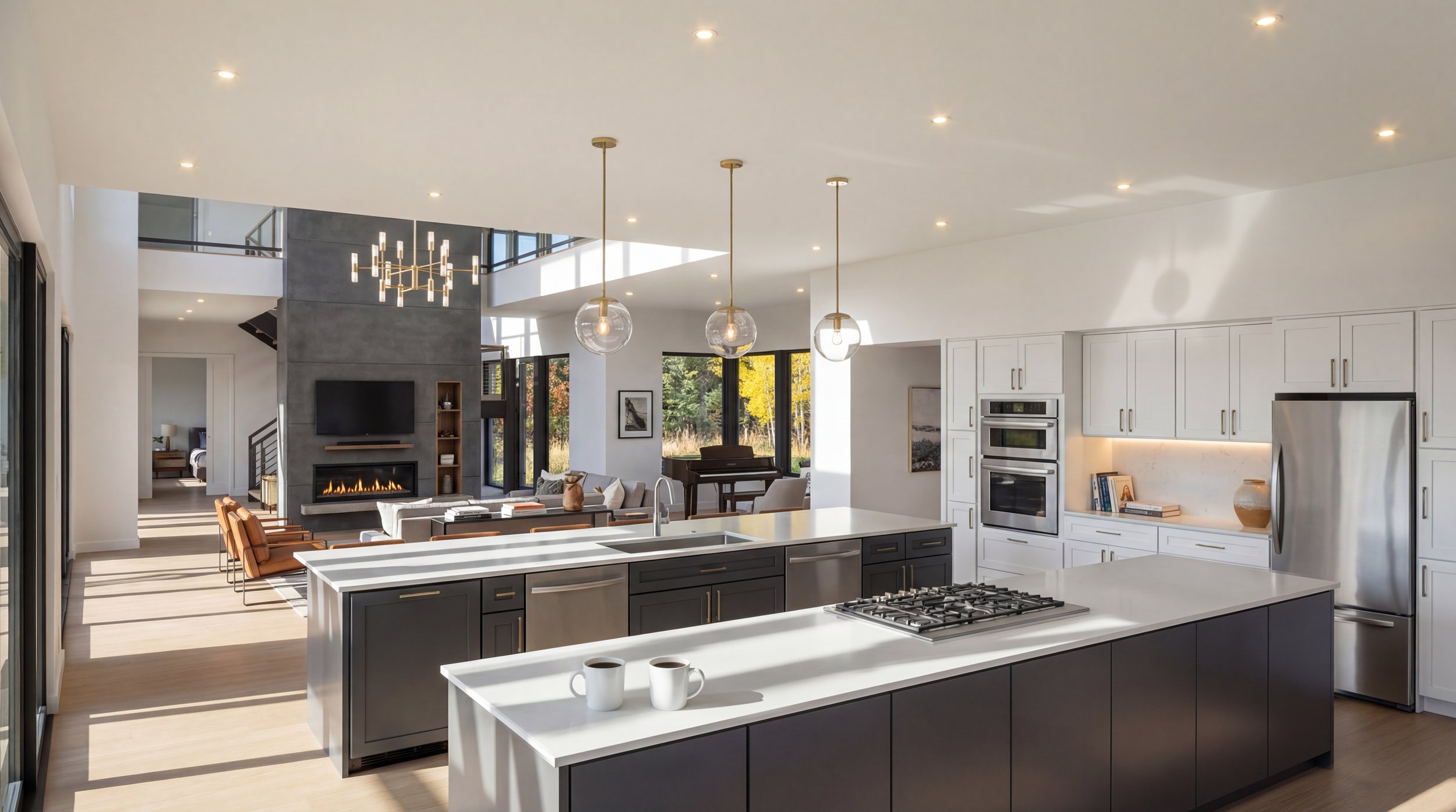
The Two Gables House in Auburn, WA by Terralite Design
One Vision, Two Disciplines
Our approach at Terralite Design is rooted in the belief that a home should feel like one complete idea. This starts at the very beginning of the process. While we are looking at the topography of a site in Leavenworth or the sun patterns on a lot in Suncadia, we are already thinking about where the dining table will sit and how the morning light will hit the kitchen island.
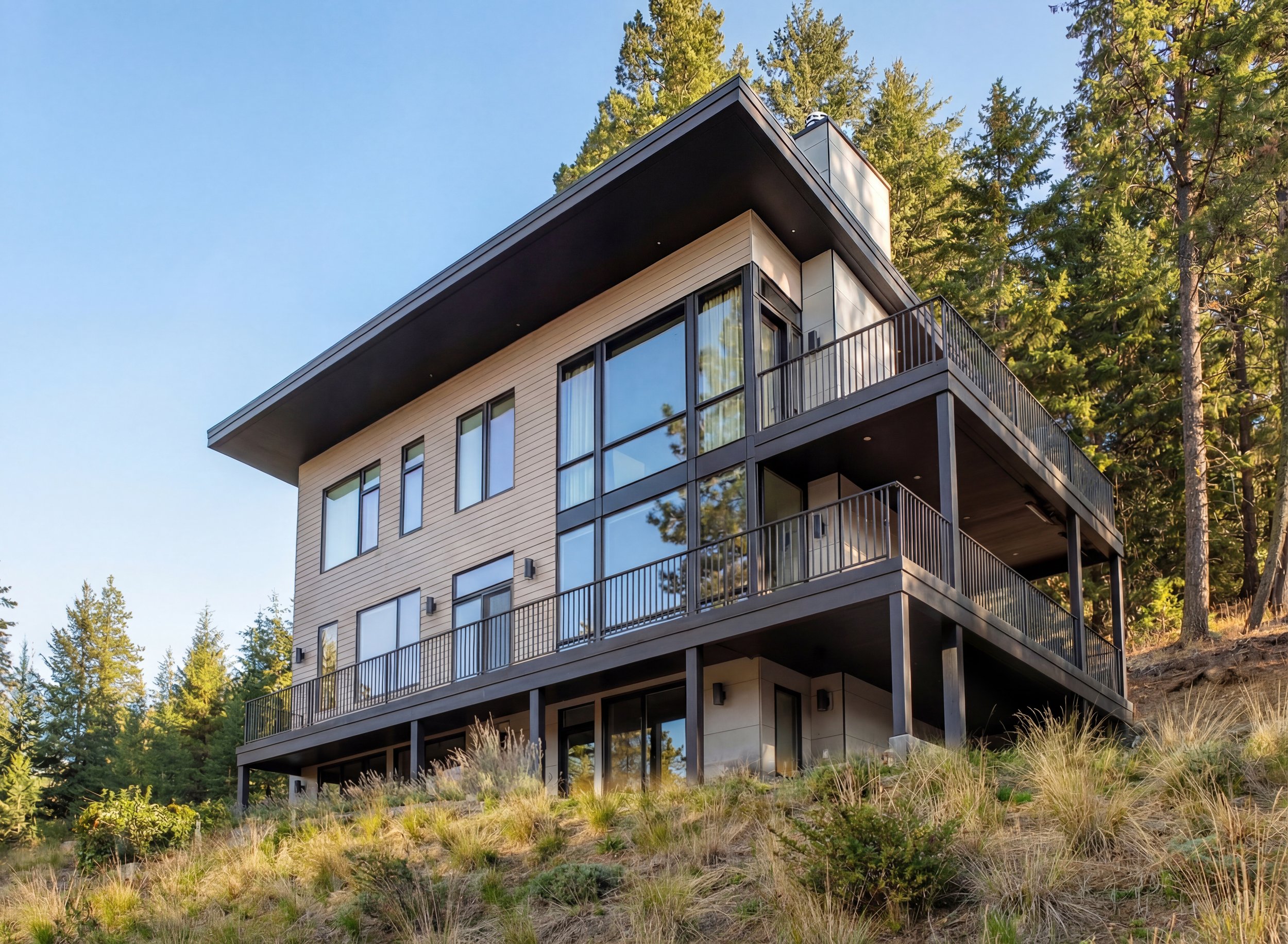
Take the Lakeview House as an example. The exterior design is a response to the steep hillside and the surrounding forest. But the "why" behind those massive windows and the orientation of the decks was deeply informed by the interior goals. We didn't just design a contemporary box and then try to fit a kitchen inside it. We designed the kitchen and the living spaces to dictate where the glass should go.
When you look at the Lakeview House from the outside, you see a structure that respects the land. But when you step inside, you realize the transition is seamless. The natural wood siding of the exterior finds its echo in the interior finishes, creating a sense of continuity that is difficult to achieve when two different teams are pulling in different directions.
Designing from the Inside Out (and Outside In)
A common mistake in residential design is treating the interior as "decorating." True interior design is about volume, light, and movement. It is as much about the placement of a wall as it is about the color of the paint. By integrating these services, we can make structural adjustments early on that benefit the interior experience.
If we know a client wants a specific view from their primary suite in Sandpoint, we don't just put a window in a wall. We coordinate the structural framing to ensure that the view is framed perfectly from the height of the bed. We think about where the electrical outlets need to be for bedside lamps before the first stud is ever nailed. This level of detail is only possible when the team responsible for the "bones" of the house is the same team responsible for the "soul" of the house.
Reducing Friction in Construction
The most practical benefit of an integrated team is the reduction of conflicts during the build. Construction is a complex puzzle, especially in mountain regions like Cle Elum or Ronald, where the elements and the terrain are already challenging enough.
When our team handles the full scope of the project, our construction documents are more comprehensive. We aren't just handing off a set of plans to a contractor and wishing them luck. We are providing a roadmap where the plumbing, mechanical, and structural elements are already coordinated with the cabinetry and the tile layouts.
This means fewer questions from the contractor and fewer "we have a problem" phone calls to the homeowner. It allows the builder to focus on craftsmanship rather than problem-solving on the fly. You can see our full range of integrated services on our what we do page, where we outline how this holistic approach benefits every phase of the project.
Materials and the Natural Environment
In the Pacific Northwest, the landscape is the most important room in the house. Whether we are designing in the dense forests of the Cascades or the open vistas of Idaho, we select materials that bridge the gap between the built environment and the natural one.
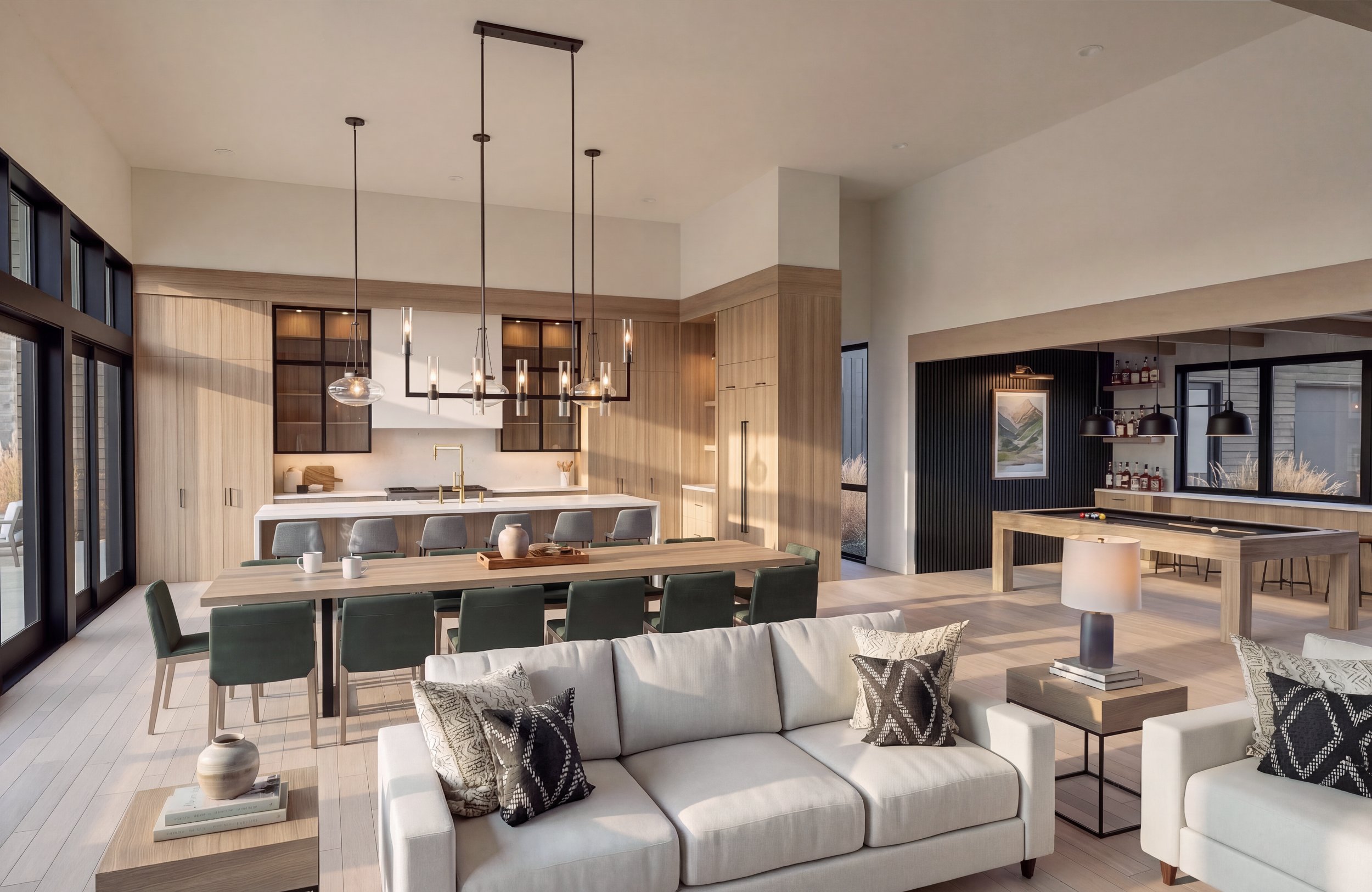
The Meadows House in Tumble Creek at Suncadia by Terralite Design
Having our interior team involved from the start means that the material palette is consistent. We choose stones, woods, and metals that handle the exterior elements of a mountain winter but still feel warm and tactile when used in a living room or a kitchen. This prevents the "theme park" effect, where the outside of a house looks like a mountain cabin but the inside looks like a sterile suburban office. We aim for a design that feels rooted in its place.
The Homeowner Experience: One Point of Contact
Beyond the technical and aesthetic benefits, there is the simple matter of your sanity. Designing a home is a major life event. It involves hundreds of decisions and a significant financial investment. Having a single team as your primary point of contact simplifies everything.
Instead of managing two different contracts and two different schedules, you have one partnership. We hold the vision for your home from the first site visit until you move in. If you have a question about how the lighting in the great room will affect the exterior aesthetic at night, you only have to ask one person.
This unified approach allows us to be better stewards of your budget and your time. We can prioritize the elements that matter most to you, ensuring that the "must-haves" for the interior are supported by the structural design from the very beginning.
A Complete Idea
At the end of the day, our goal is to create a home that feels like it was meant to be exactly where it is. A house should not feel like a collection of separate parts; it should feel like a single, cohesive thought. By bringing architecture and interior design into the same room, we remove the barriers that stand in the way of that goal.
If you are ready to start planning your project in Snoqualmie, Suncadia, or beyond, we invite you to look through our featured projects to see the results of this integrated approach. When you are ready to talk about your vision, you can reach out through our contact page or start the conversation by filling out our client questionnaire.
Building a home is a massive undertaking. It’s better when everyone is on the same page, literally.
