
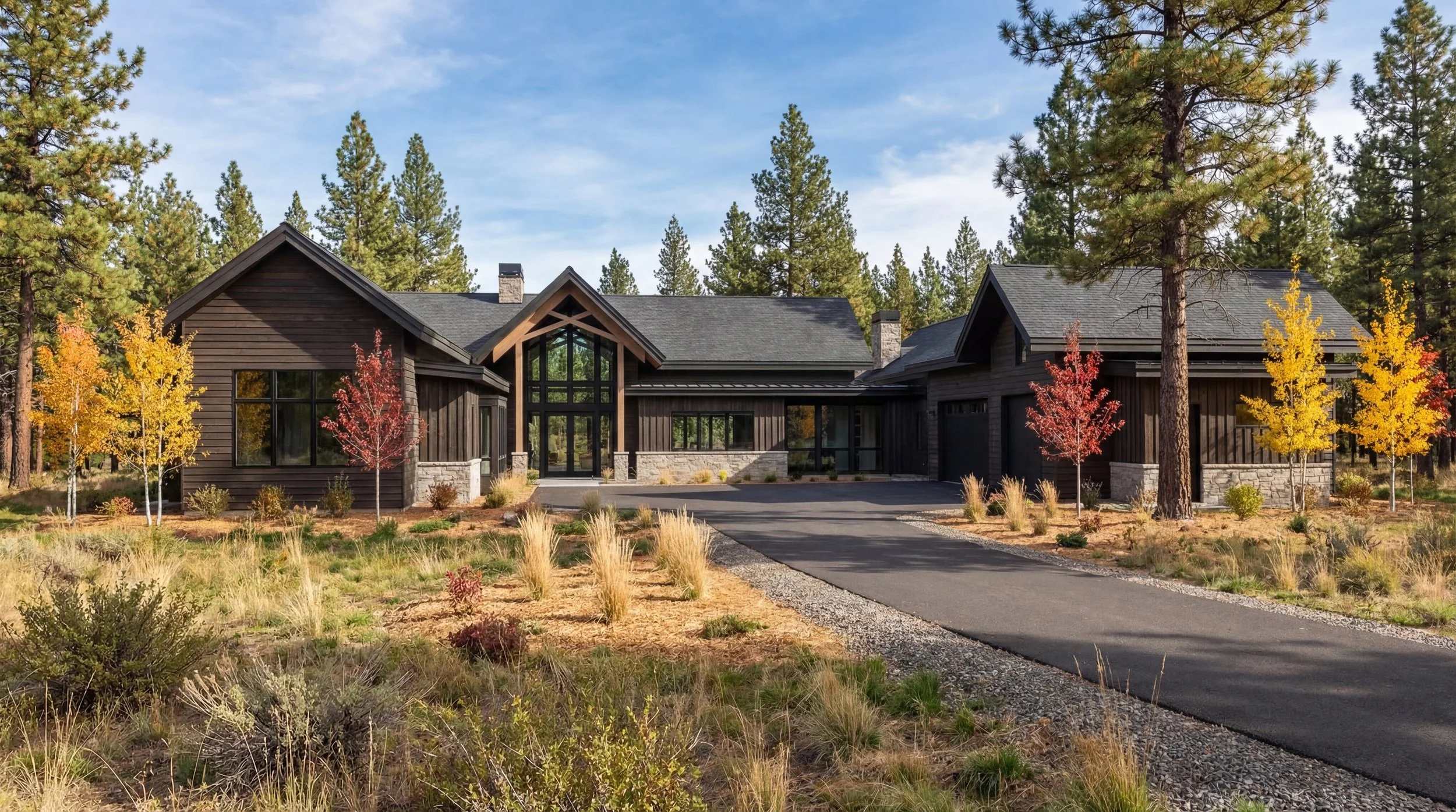
Suncadia & Tumble Creek: Why Local Design Experts are Key
Looking for Suncadia custom home design and Interior Design? Our local residential design experts specialize in Tumble Creek and Suncadia projects. We navigate complex Design Review Guidelines and Suncadia DRC review process to create cohesive and modern PNW mountain homes. From the Meadows House to your dream retreat, see why local expertise is key for your next custom home design in Cle Elum.
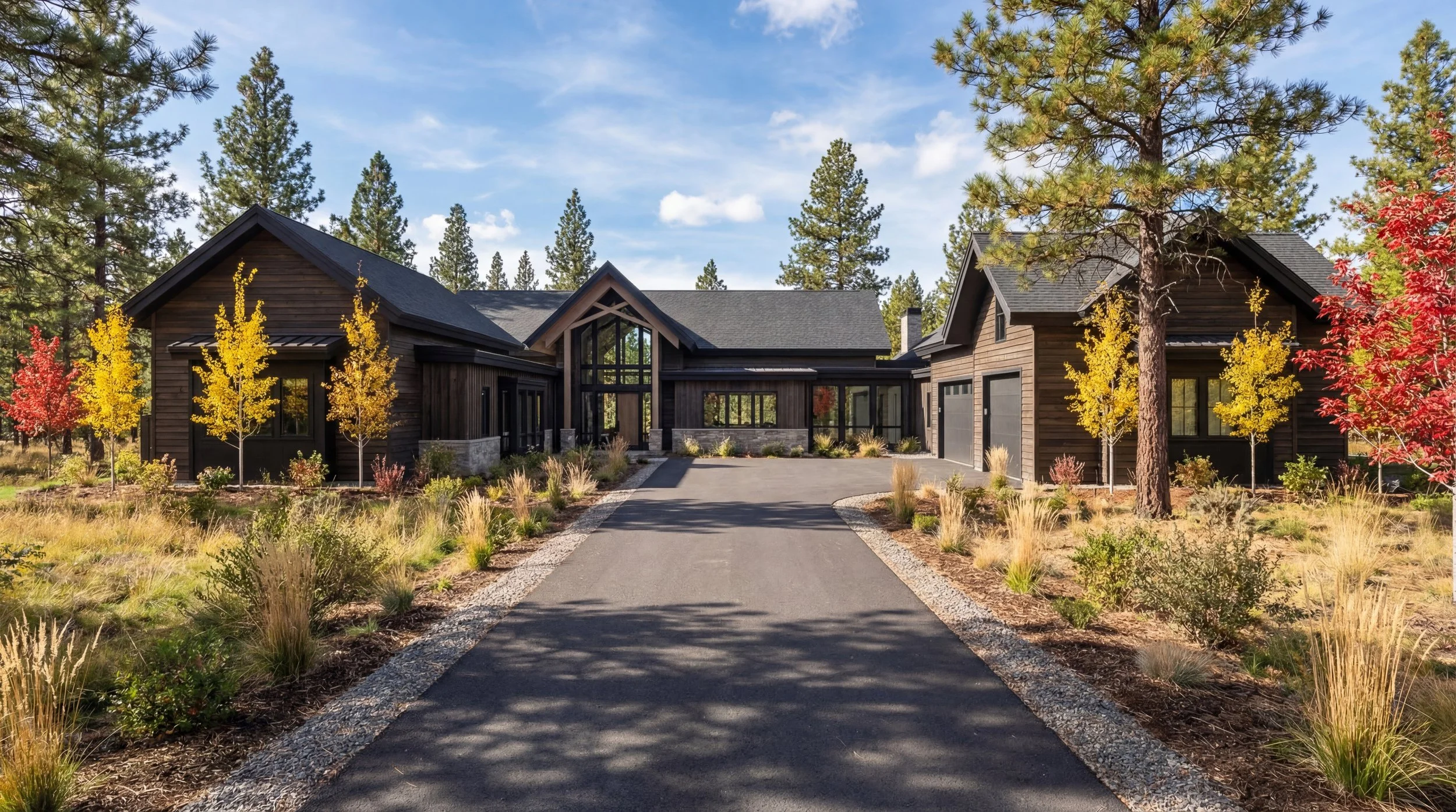
The Meadows House at Tumble Creek in Suncadia, WA by Terralite Design
Building in Suncadia can feel like planning a relaxed weekend in the mountains, right up until you meet the Design Review Guidelines. Then it starts to resemble a wilderness map drawn by committee.
The good news is you don’t have to figure it out alone. For Suncadia custom home design and Tumble Creek custom homes, choosing a local design team is less “nice to have” and more “quietly essential.” Not because outsiders can’t design a beautiful home. They can. But Suncadia and Tumble Creek are specific places with specific expectations, and the difference between a smooth process and a slow-motion headache often comes down to one thing:
Local experience that’s already paid for in lessons learned.
Below is why a local designer matters, how a deep understanding of Suncadia’s design review process protects your timeline (and your sanity), and why having interiors in-house is the easiest way to end up with a home that feels like one cohesive idea instead of a group project.
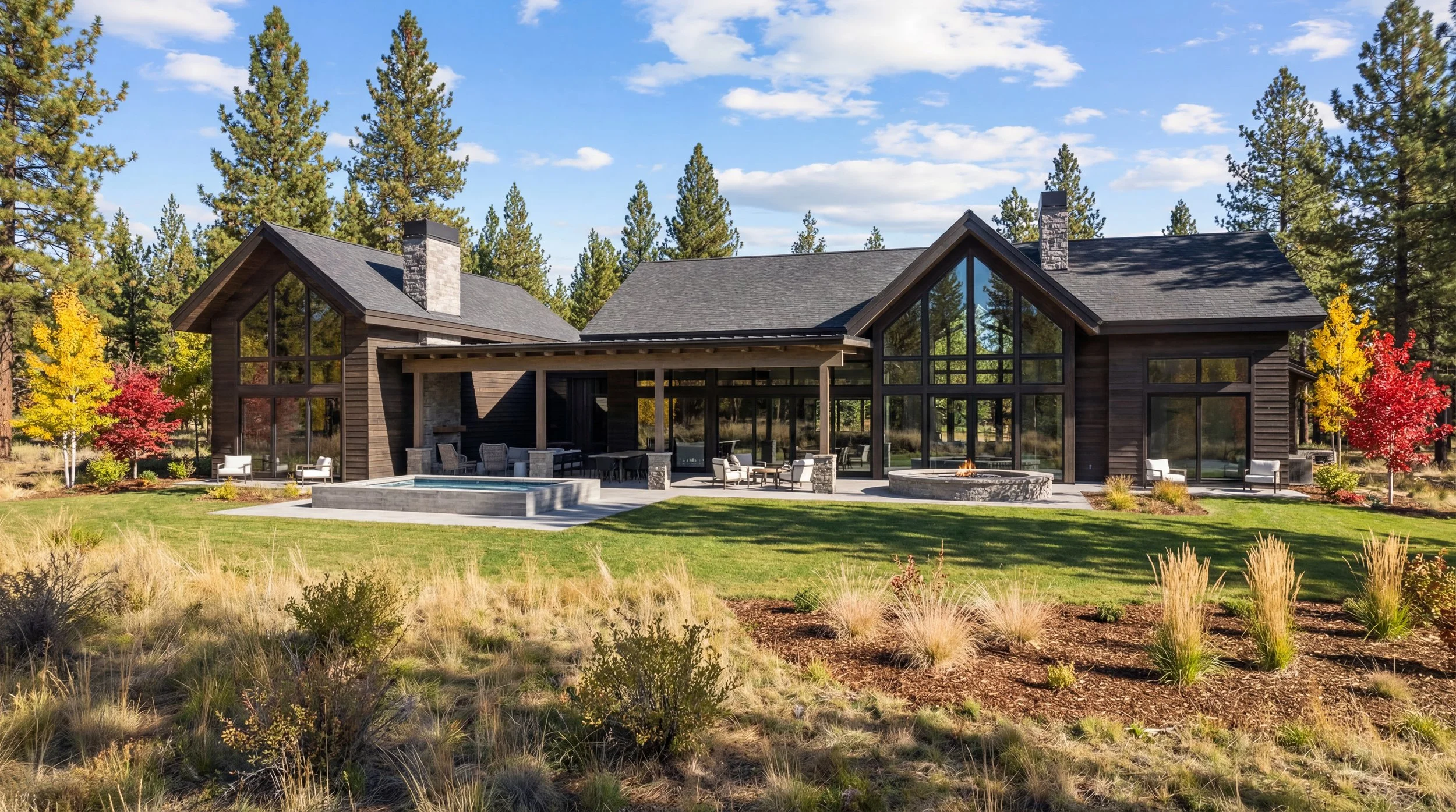
The Meadows House at Tumble Creek in Suncadia, WA by Terralite Design
Suncadia and Tumble Creek aren’t “just another mountain community”
At a glance, it’s easy to lump Cle Elum, Ronald, and Suncadia into the same bucket: evergreens, snow, sunshine, and a lot of people trying to earn their view. But Suncadia and Tumble Creek have a defined identity. There’s an underlying language to the neighborhoods and streetscapes, and it shows up in:
Rooflines and massing that sit comfortably against the landscape
Material palettes that feel grounded and regional
Windows and outdoor spaces that balance privacy, glare, and views
A general expectation that homes should look like they belong here, even when they’re distinct
A local design professional doesn’t just understand the vibe. They understand the boundaries of it. That means you can push for a home that feels personal and refined without accidentally designing something that reads as out of place in this environment.
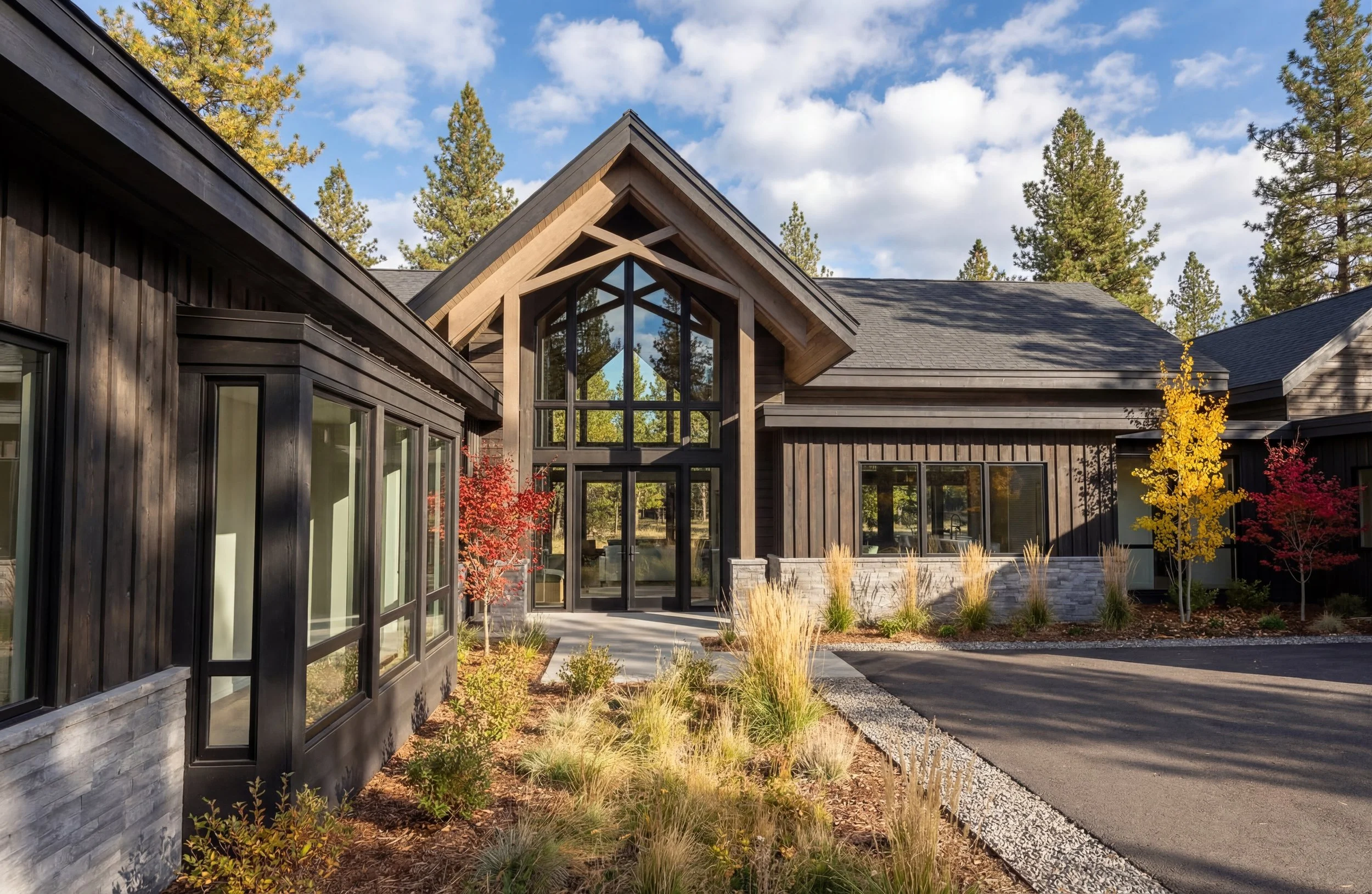
The Meadows House at Tumble Creek in Suncadia, WA by Terralite Design
The Suncadia Design Review Guidelines: a maze with real consequences
Most homeowners assume the biggest “approval hurdle” is the county permit. In Suncadia and Tumble Creek, the bigger day-to-day reality is the Design Review process. It’s not optional. It influences decisions from the early concept stage through the details you’d swear no one would notice (until they do).
A local designer brings something underrated: pattern recognition. They know where projects typically get slowed down, what questions reviewers tend to ask, and how to present a design so it’s clear, complete, and aligned.
That saves you in three practical ways.
1) Fewer redesign loops
Design review is often where optimistic early ideas get tested. If your team doesn’t understand the guidelines, you can end up in a loop of revisions that feels like running uphill in snow.
Local experience helps keep early concepts realistic so you’re not paying to “learn” the rules midstream.
2) Cleaner decision-making early on
When the constraints are understood from day one, the design process is calmer. You can spend your time deciding what actually matters to you, rather than constantly reacting to corrections.
3) Less risk during construction
Design review misalignment doesn’t only affect the drawing set. It can spill into construction if changes are required late. Late changes are expensive changes.
The best-case scenario is a delay. The worst-case scenario is that you end up compromising the parts of the home you cared about because time ran out.
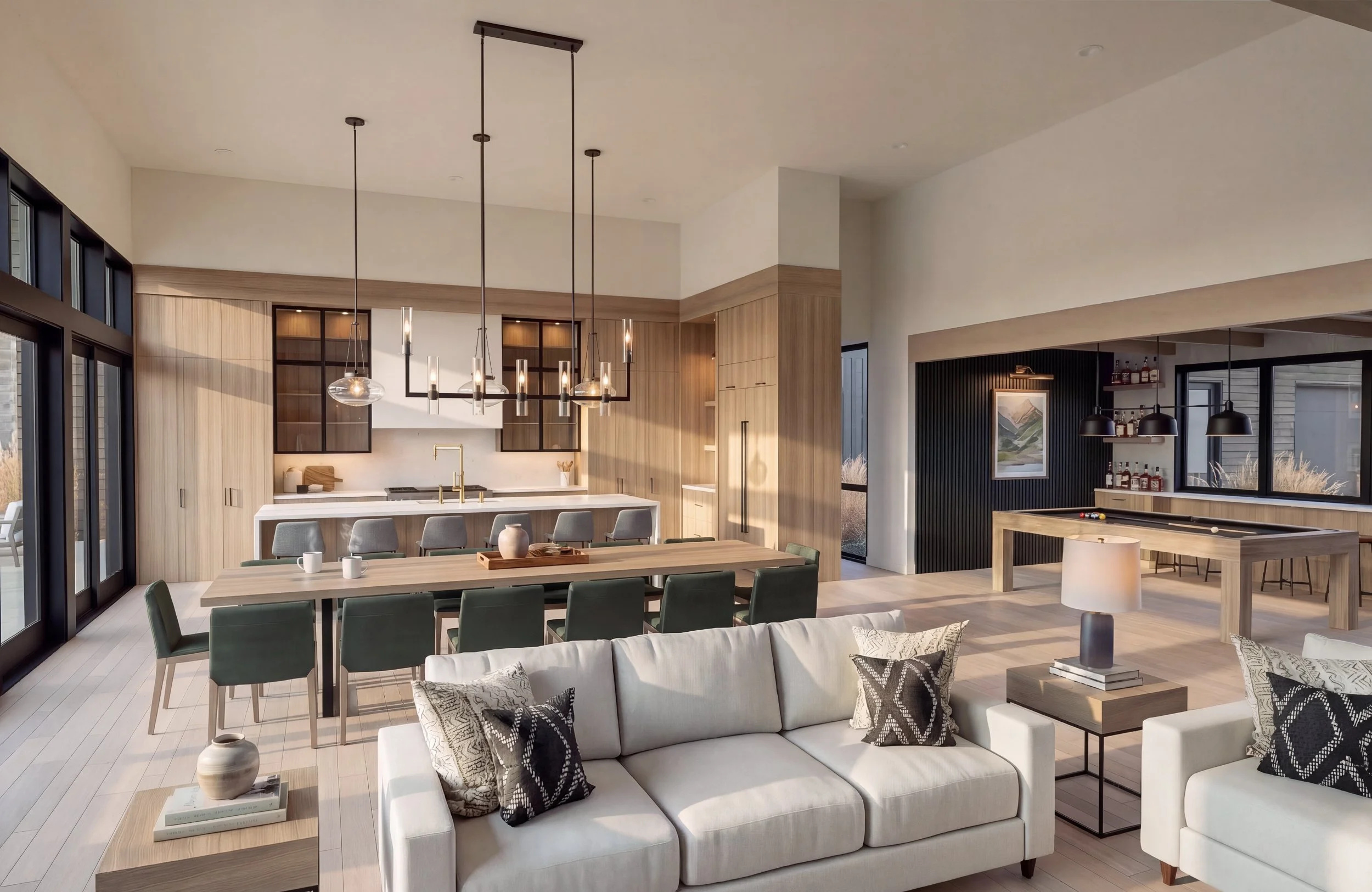
The Meadows House at Tumble Creek in Suncadia, WA by Terralite Design
Local site knowledge is not a bonus feature, it’s the foundation
Suncadia sits on the sunny side of the Cascades, which means the climate can be deceptively intense. You get real snow, real sun, and real seasonal shifts that affect how a home performs and how it feels.
Local design teams are used to thinking about:
Snow load implications and roof geometry that behaves well in winter
Sun angles that change dramatically through the year
Passive solar strategies that don’t create summer overheating
Durable exterior materials that age well in this exact mix of sun, moisture, and temperature swings
Site planning that respects slope, drainage, and access without fighting the terrain
It’s the difference between a home that looks great in a rendering and a home that stays comfortable, quiet, and low-maintenance over time.
And in communities like these, durability is part of beauty.
Tumble Creek adds another layer of expectations
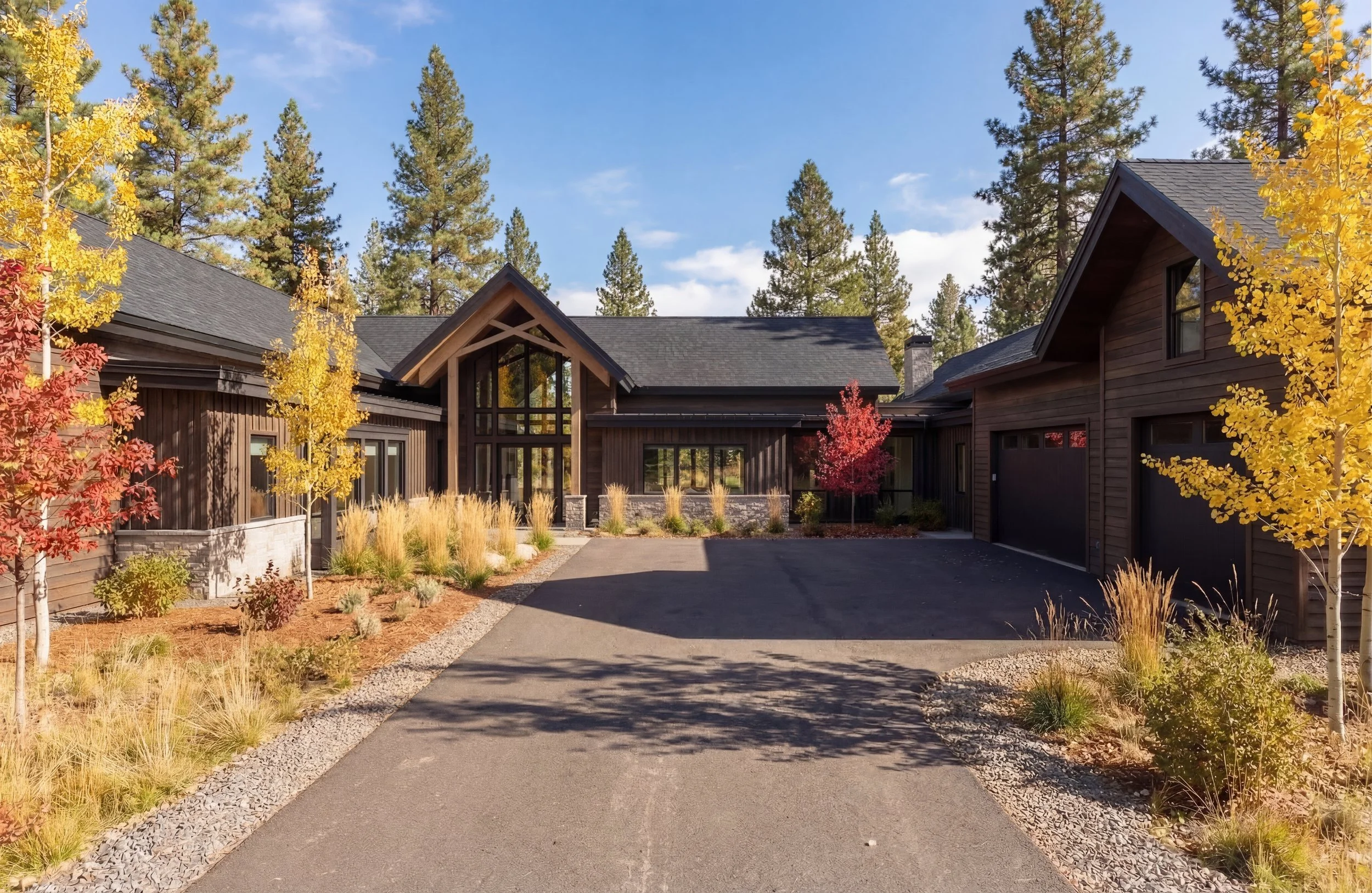
Tumble Creek custom homes tend to sit in more intimate, forested settings. There’s often a stronger emphasis on blending into the natural surroundings, managing privacy, and respecting the community character.
A local designer is familiar with what typically works here:
Thoughtful entry sequences that feel tucked in, not exposed
Window placement that captures light without turning the home into a lantern for the whole street
Material choices that read warm and natural in wooded conditions
Outdoor spaces that feel protected from wind and seasonal weather
In other words, the design isn’t just about the house. It’s about how the house behaves in its specific pocket of forest.
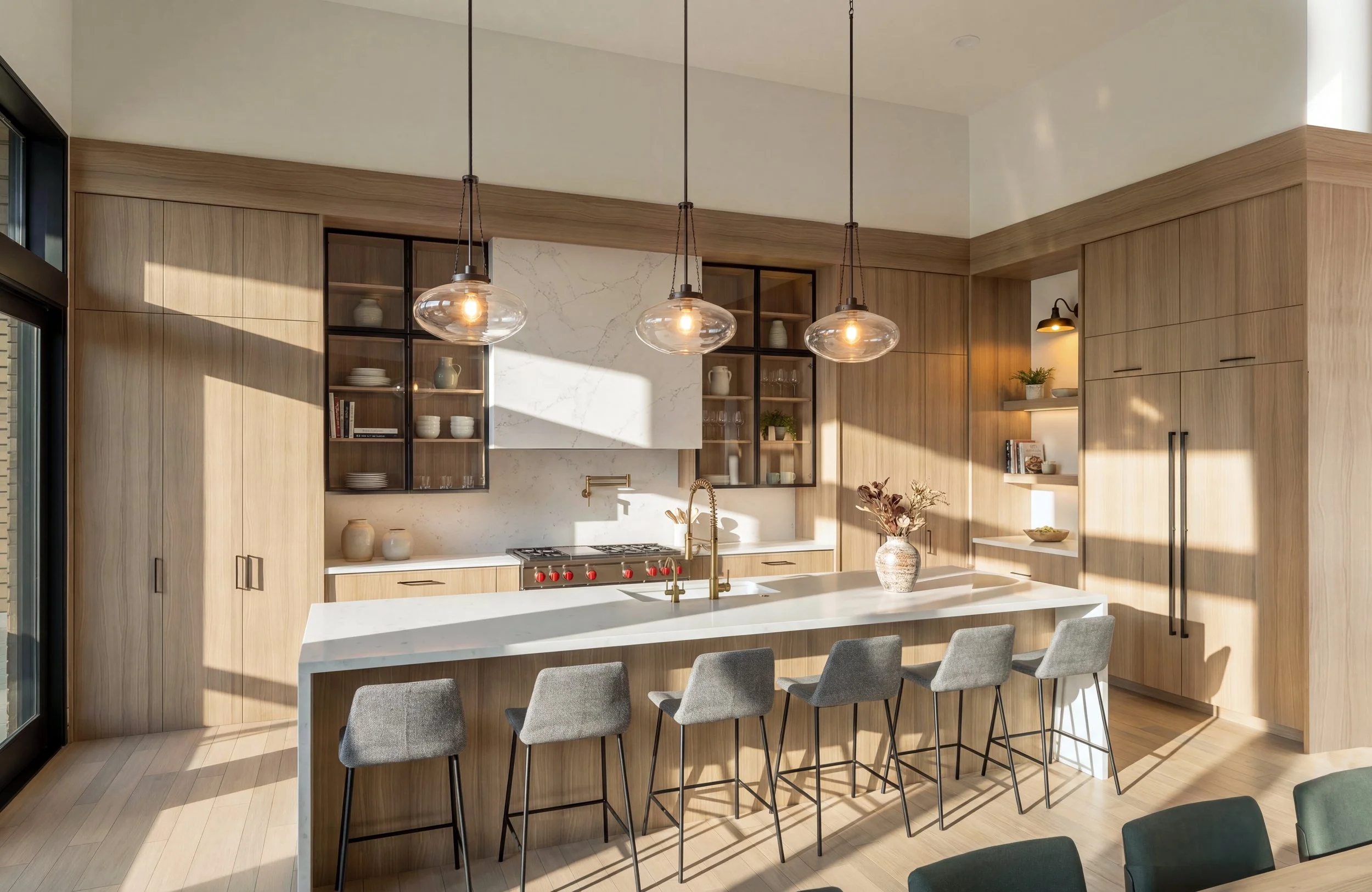
The Meadows House at Tumble Creek in Suncadia, WA by Terralite Design
Architecture + interiors under one roof: the cohesion you can feel
Here’s a common story: a design professional creates the shell, then an interior designer comes in later and “makes it pretty.” That can work, but in high-end mountain homes it often leads to one of two outcomes:
Interiors that fight the architecture
Interiors that are fine, but feel generic because they weren’t planned early enough
When your Suncadia custom home design team also provides interior design services in-house, you get a tighter loop from concept to completion. The payoff is more than aesthetics.
Cohesion shows up in the places that matter
Window sizing aligns with furniture layouts and lighting
Fireplace, built-ins, and kitchen planning are designed as architectural features, not afterthoughts
Material transitions are intentional from exterior to interior
The home feels consistent from the first sketch to the final details
Decisions happen earlier, when they’re cheaper and easier
Interior design isn’t just pillows and paint. It’s layout, circulation, cabinetry, lighting, plumbing fixtures, and storage. When those decisions happen early, they integrate cleanly with structure and mechanical systems.
That reduces construction hiccups. It also reduces the “why is this soffit here” surprises.
You avoid the “telephone game”
When architecture and interiors are separate teams, you can end up translating your preferences twice, then mediating conflicts you didn’t ask for. An integrated team reduces handoffs and keeps the vision intact.
This is especially valuable in Tumble Creek custom homes, where warm materials and layered details often carry the emotional weight of the space.
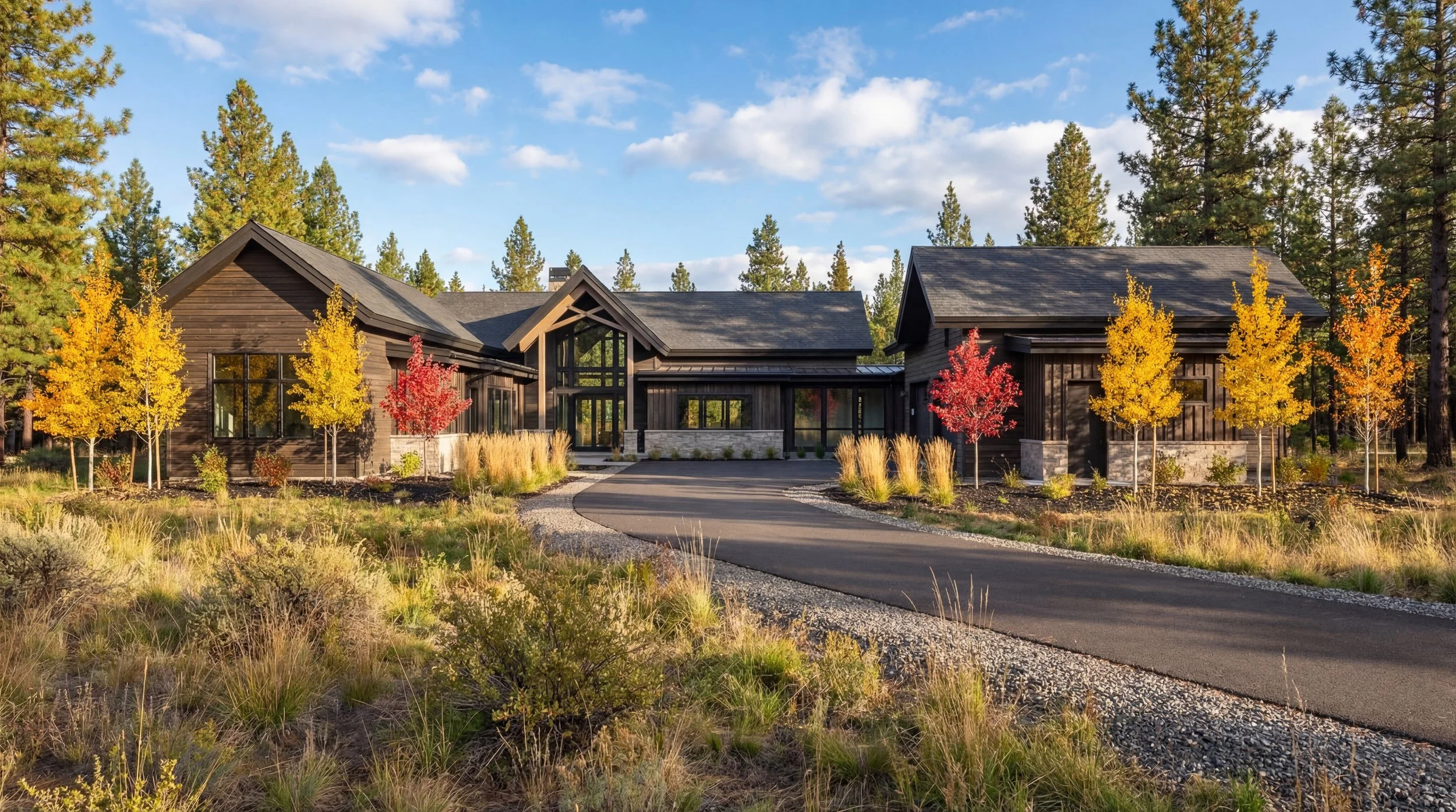
The Meadows House at Tumble Creek in Suncadia, WA by Terralite Design
A real-world example: The Meadows House at Tumble Creek
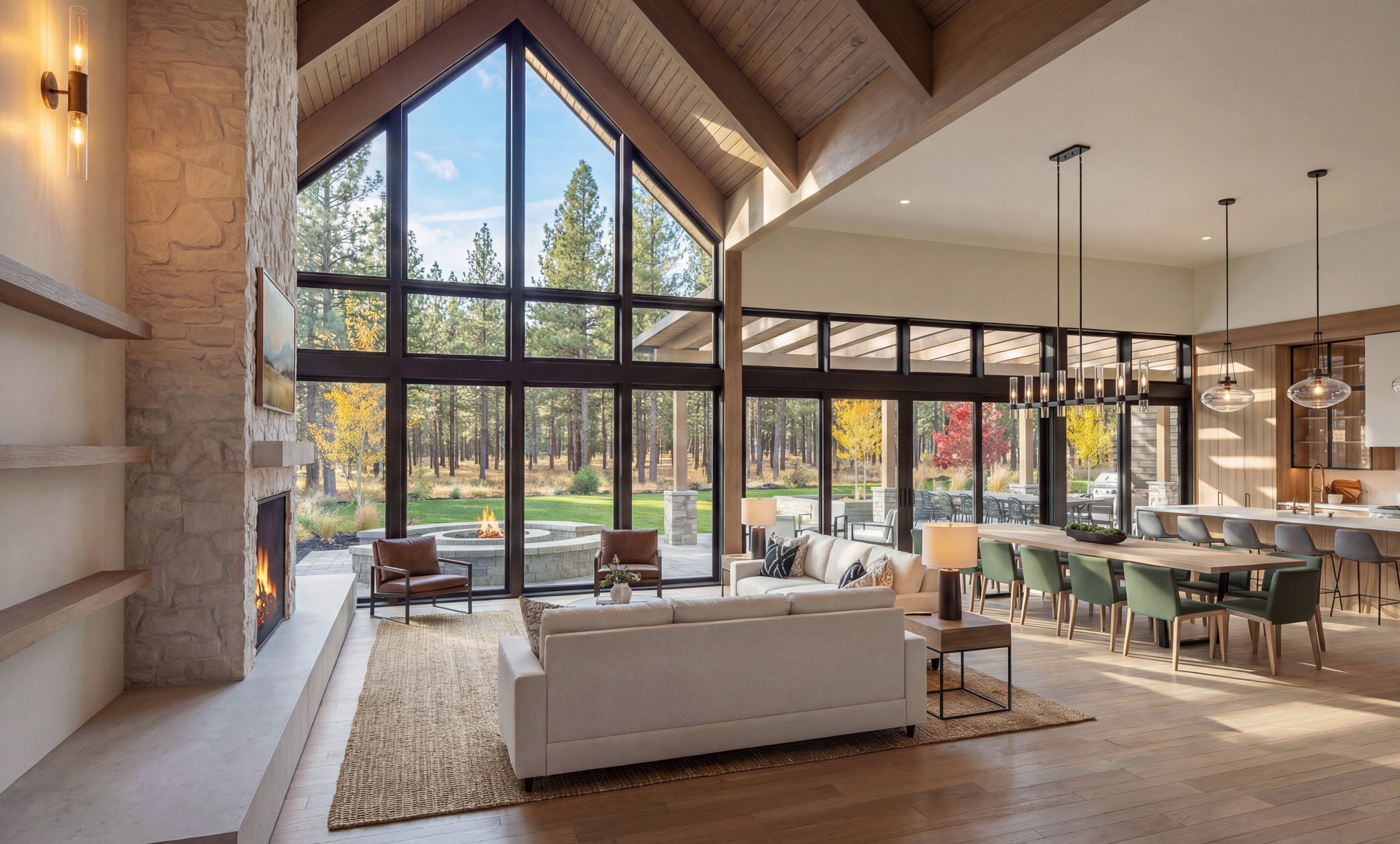
A mountain home should feel grounded and light-filled at the same time. That balance is hard to pull off without coordination between the building design and the interior design.
In The Meadows House at Tumble Creek, you can see what happens when the interior is treated as part of the overall architecture, not a separate overlay. The space reads calm and natural. Materials feel honest. Sightlines feel intentional. Nothing looks like it arrived late.
This kind of cohesion typically comes from making key interior choices early, including:
Where the warmth lives (wood species, tone, and finish)
How light moves through the home (natural light, layered artificial light, reflections)
How the public spaces relate to the quieter zones
How storage and built-ins keep the home feeling effortless rather than “managed”
The result is a home that holds up to daily use while still feeling elevated.
The hidden stress reducer: a local team that already speaks “review board”
Design review doesn’t just care about the finished design. It cares about how you get there. Submittals, documentation, and clarity matter.
A local design professional typically has a better internal checklist for what’s needed and when. That reduces stress in the most practical way possible: fewer last-minute scrambles, fewer incomplete submittals, fewer delays caused by avoidable gaps.
If you’re building from out of town (which many Suncadia homeowners are), this matters even more. You want a team that can carry the process forward without needing you to become a part-time project manager.
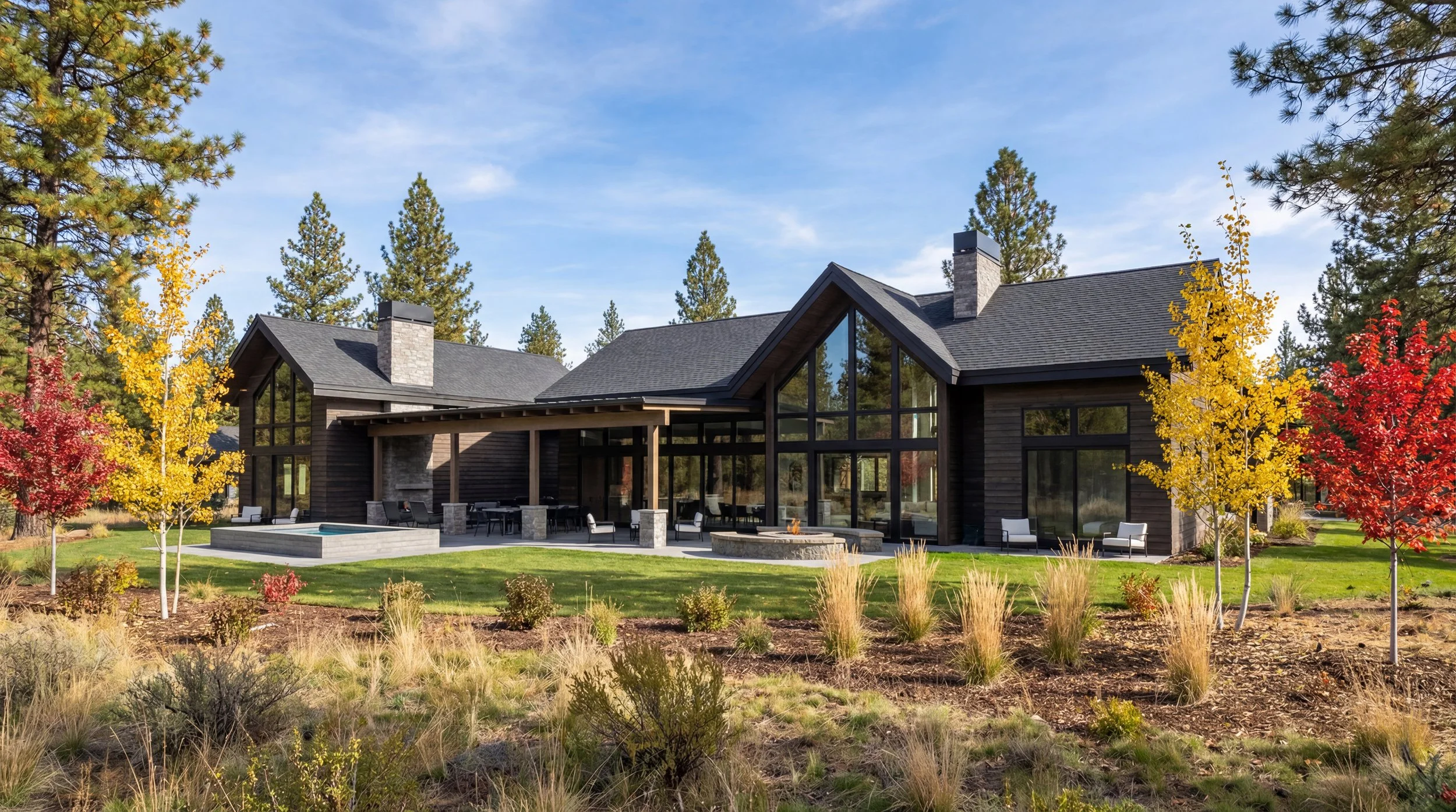
The Meadows House at Tumble Creek in Suncadia, WA by Terralite Design
What “local experience” actually looks like in your project
“Local” isn’t just a pin on a map. In practice, it looks like a team that can answer questions quickly and specifically, like:
How should we shape the roof to work with snow and still feel refined
What exterior materials age well here without turning into a maintenance hobby
Where do we put the big glass so it captures views without glare or overheating
What should we anticipate in design review so we don’t lose weeks later
How do we build warmth into the interiors without going full lodge-theme
Those aren’t theoretical questions. They show up early, and they stay relevant all the way through construction.
Why this reduces construction hiccups (and helps your builder)
When architecture and interiors are coordinated, and the design aligns with community guidelines from the start, your builder benefits too. That means you benefit.
Here’s where things get smoother:
Fewer change orders driven by late interior decisions
Better coordinated electrical and lighting plans
Cabinetry, tile, and trim details that fit the architecture without field improvisation
Cleaner scheduling because fewer “wait, we need to decide that” moments
Less rework caused by evolving design intent
You still have to make decisions. But you make them at the right time, with the right information.
The Meadows House at Tumble Creek in Suncadia, WA by Terralite Design
Cohesive interiors are the difference between “nice house” and “feels like home”
High-end mountain homes live or die by feel. Not the Pinterest feel. The real one: the temperature of the materials, the way sound carries, the comfort of a seat near the fire, the way the kitchen works when eight people are in it at once.
In-house interior design helps hold onto that feel because the team is shaping:
The flow of everyday living (mudroom placement, pantry logic, entry moments)
The quiet luxuries (reading nooks, layered lighting, acoustic softness)
The material palette as a continuous story, not a series of isolated decisions
In Suncadia and Tumble Creek, where homes are often second residences, cohesion matters even more. You want to arrive, drop your bag, and immediately exhale. Good interior design is what makes that happen.
What to ask before you hire your Suncadia or Tumble Creek designer
If you’re comparing teams for Suncadia custom home design or Tumble Creek custom homes, here are questions that cut through the marketing quickly:
How many projects have you taken through Suncadia’s design review process?
At what stage do you coordinate interior design decisions like cabinetry, lighting, and plumbing fixtures?
How do you handle guideline-driven constraints without making the home feel generic?
What’s your approach to site planning for snow, sun, and views?
Who is responsible for maintaining design cohesion during construction?
You’re looking for calm, specific answers. If the responses are vague, the process may be vague too.
The Meadows House at Tumble Creek in Suncadia, WA by Terralite Design
Where Terralite Design fits in
Terralite Design is a residential design studio focused on high-end homes in Washington’s mountain and lake regions, including Suncadia, Tumble Creek, Cle Elum, Ronald, Snoqualmie Pass, and Leavenworth. We approach each project with respect for the landscape and a preference for timeless materials, natural light, and details that hold up to real use.
Just as important, we keep architecture and interior design aligned from the beginning. That means fewer handoffs, fewer surprises, and a home that feels like one clear idea when it’s finished.
If you want to see how that looks across different sites and styles, you can browse our work here: https://www.terralitedesign.com/featured-projects
The bottom line
Suncadia and Tumble Creek reward thoughtful design. They also punish guesswork.
A local designer with deep familiarity with the Suncadia Design Review Guidelines helps you avoid time-consuming detours, align early with community expectations, and make better decisions sooner. Pair that with in-house interior design, and you get a calmer process and a home that feels cohesive from the roofline down to the last finish.
If you’re planning a build and want a team that can guide the process with clarity, you can reach us here: https://www.terralitedesign.com/contactus