
Modern Mountain Living: Designing for the Elements in Snoqualmie Pass & Leavenworth
Modern Mountain Living: Designing for the Elements in Snoqualmie Pass & Leavenworth
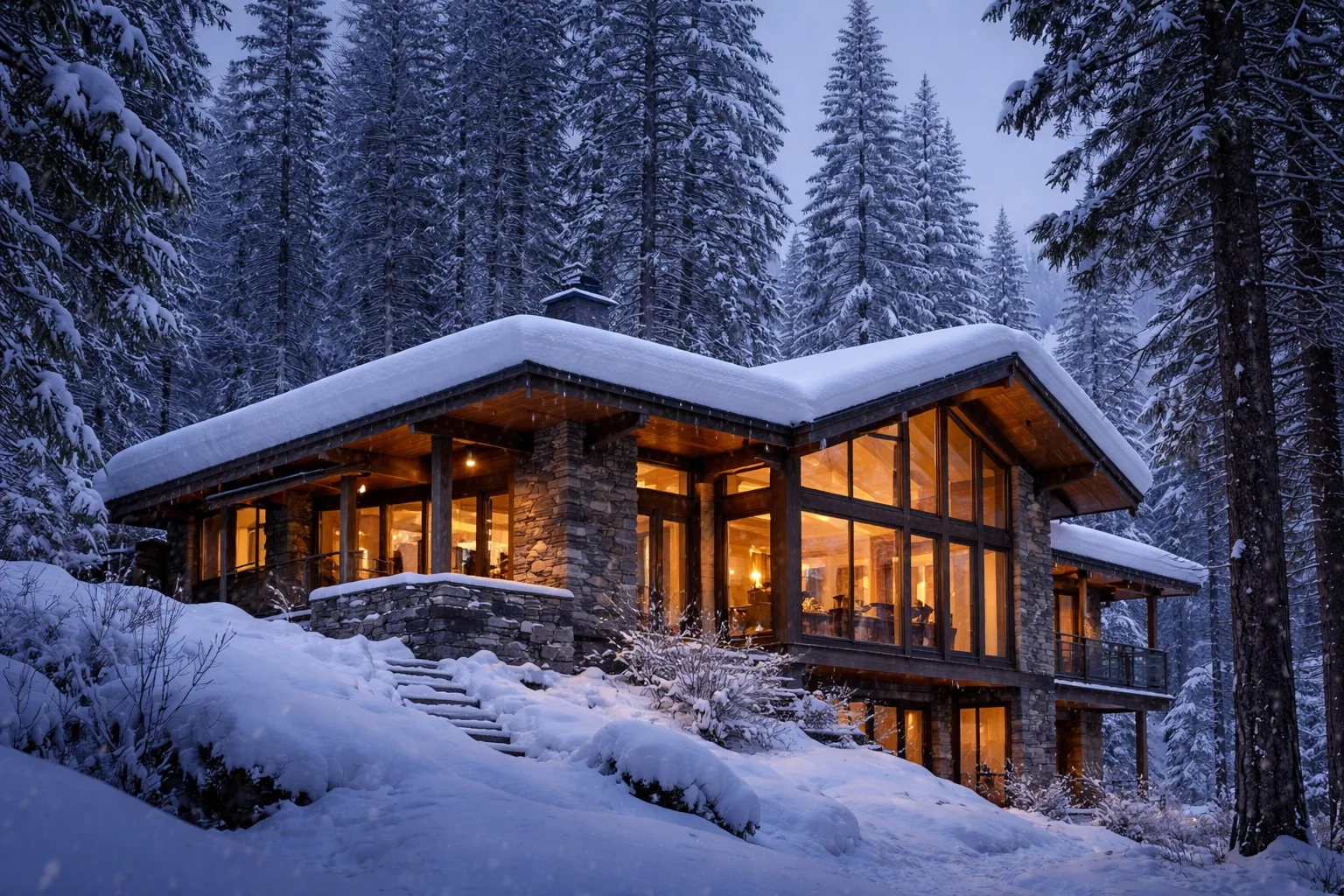
There is something deeply grounding about waking up to snow-dusted pines and the quiet weight of a mountain morning. The Cascade Range offers this kind of stillness: a landscape that demands respect and rewards those who build thoughtfully within it.
At Terralite Design, we have spent years studying the unique conditions of places like Snoqualmie Pass and Leavenworth. These are not locations where you simply drop a house onto a lot. They are environments that shape every decision, from foundation depth to roof pitch to window placement. And when you get it right, the result is a home that feels like it belongs: rooted in the earth, open to the sky, and built to endure.
This is what PNW mountain home architecture looks like when it is done with intention.
The Reality of Building at Elevation
Let us be honest about what you are signing up for when you choose to build in the Cascades. Snoqualmie Pass sits at roughly 3,000 feet, and Leavenworth is nestled at about 1,200 feet on the eastern slopes. Both experience significant seasonal shifts, but the challenges differ in important ways.
Snoqualmie Pass is one of the snowiest places in the lower 48. We are talking about annual snowfall that can exceed 400 inches in heavy years. That translates to snow loads that can reach 150 pounds per square foot or more on a roof: weight that must be accounted for in every structural calculation.
Leavenworth, while drier due to its position in the rain shadow, still sees substantial winter accumulation. Add to that the steep terrain common to both areas, and you are looking at sites that require careful grading, robust drainage systems, and foundations engineered for slope stability.
None of this is meant to discourage you. It is simply the truth of building in places this beautiful. And understanding these realities is the first step toward creating something exceptional.
Why Site Analysis Changes Everything
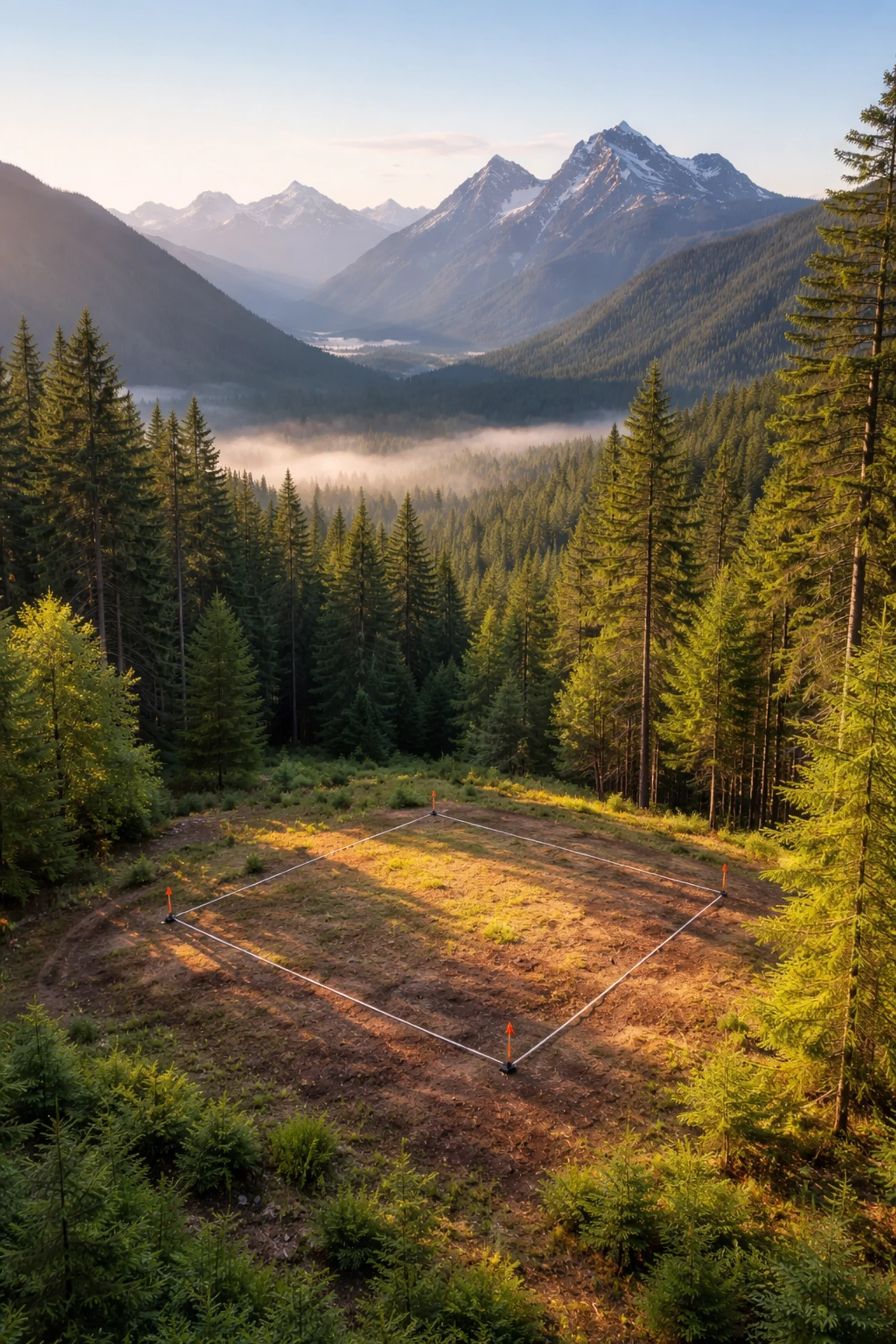
Before we sketch a single line, we walk the land. We observe how light moves across it through the seasons. We note where water flows during snowmelt. We identify the natural clearings and the stands of trees worth preserving.
This is the foundation of our earth-focused design process.
In Snoqualmie Pass modern cabin design, the site often dictates the footprint. A steep lot might call for a design that steps down the hillside rather than fighting against it. A south-facing slope offers passive solar gain that can reduce heating costs significantly: a meaningful consideration when winter temperatures regularly dip below freezing.
In Leavenworth, the considerations shift slightly. The terrain tends to be more varied, with meadows, forested hillsides, and river corridors all presenting different opportunities. A home designed for a site above the Wenatchee River will look and function differently than one tucked into the ponderosa pines above town.
The point is this: the land speaks first. Our job is to listen.
Designing for Snow Without Sacrificing Form
There is a common misconception that building for heavy snow loads means defaulting to a steeply pitched A-frame or a boxy, utilitarian structure. While those forms certainly handle snow well, they are not the only options.
Contemporary mountain architecture has evolved. Today, we can achieve clean, modern lines while still engineering for the realities of winter. The key lies in understanding how snow behaves and designing roof systems accordingly.
Shed roofs with strategic pitches can direct snow away from entries and outdoor living spaces. Metal roofing sheds snow more readily than composition shingles. And heated gutter systems prevent the ice dams that plague so many mountain homes.
Leavenworth luxury home design often incorporates flat or low-slope roof sections for visual effect, balanced by steeper elements that handle the heavy lifting. The result is a composition that feels both sophisticated and practical: architecture that respects the climate without being dominated by it.
Materials That Belong
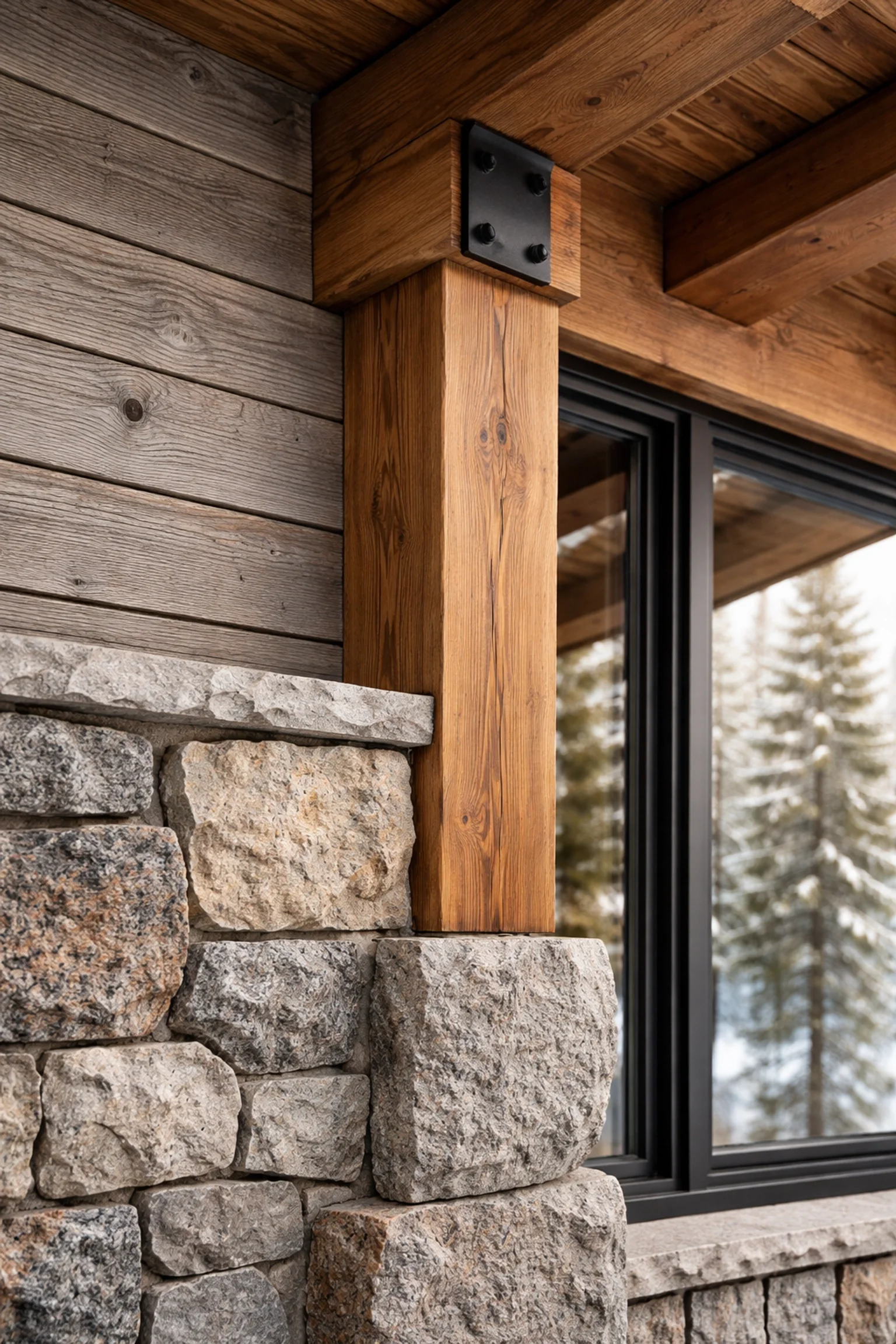
The Cascades have a material palette all their own. Granite outcroppings. Douglas fir and western red cedar. Basalt and river rock. When we design for this landscape, we draw from it.
Natural, earthy materials do more than look appropriate: they age gracefully. A weathered cedar siding will silver over time, blending with the surrounding forest. A stone fireplace surround echoes the boulders scattered across the hillside. Concrete, used thoughtfully, provides thermal mass that moderates interior temperatures.
We favor materials that require minimal maintenance and perform well under temperature extremes. This means:
Standing seam metal roofing for durability and snow shedding
Triple-pane windows with thermally broken frames for insulation and comfort
Locally sourced timber where possible, reducing transport costs and environmental impact
Natural stone and concrete for mass walls that stabilize interior temperatures
The goal is not to fight the environment but to work with it. A home that feels forced into its setting will always feel uncomfortable. A home that emerges from it will feel like a refuge.
Bringing the Outside In
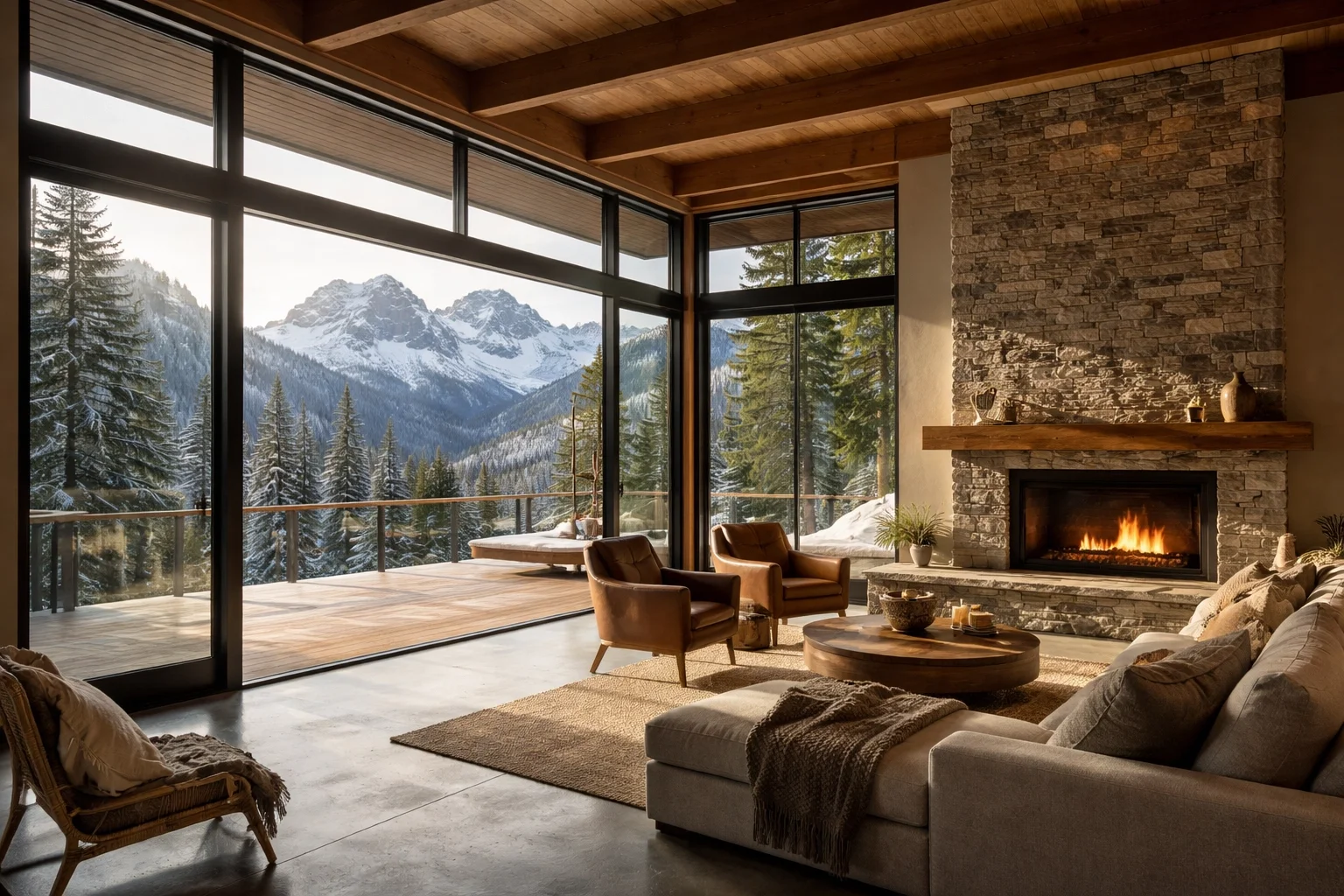
One of the great pleasures of mountain living is the landscape itself. The entire point of building here is to be surrounded by it: the evergreens, the granite peaks, the changing light.
Our approach to PNW mountain home architecture prioritizes this connection. Large windows frame specific views. Covered outdoor spaces extend the living area into the landscape while providing protection from rain and snow. Interior materials echo exterior textures, blurring the boundary between inside and out.
But there is a balance to strike. Too much glass on a north-facing wall means heat loss and cold drafts. Too little glass anywhere means missing the point entirely.
We study the sun path for each site. South-facing glazing captures winter warmth and is shaded by roof overhangs in summer. East-facing windows bring morning light into bedrooms. West-facing glass is used sparingly to avoid overheating in the afternoon.
The result is a home that feels open and connected without compromising comfort or efficiency.
Sustainability at Altitude
Building sustainably in the mountains is not a trend: it is common sense. Energy costs are higher. Resources are harder to transport. And the landscape itself is worth preserving.
We approach sustainability as a series of layered decisions:
Envelope first: A tight, well-insulated building shell reduces energy demand before you even consider mechanical systems.
Passive strategies: Orientation, window placement, and thermal mass work together to moderate temperatures naturally.
Efficient systems: When mechanical heating and cooling are needed, we specify high-performance equipment sized appropriately for the load.
Resilience: Backup power systems, on-site water storage, and durable materials ensure the home can weather extended storms and power outages.
In Snoqualmie Pass and Leavenworth alike, these strategies translate to lower operating costs, greater comfort, and a lighter footprint on the land.
Starting the Conversation
If you have been considering a home in the Cascades: whether a weekend retreat near Snoqualmie Pass or a full-time residence in Leavenworth: the process begins with understanding your site and your vision.
We would welcome the opportunity to walk the land with you, discuss your goals, and explore what is possible. You can learn more about our design process or reach out directly to begin a conversation.
The mountains are patient. They will wait for you to build something worthy of them.
