
Designing for Steep Slopes and Mountain Winters: A Practical Guide for Pacific Northwest Homes
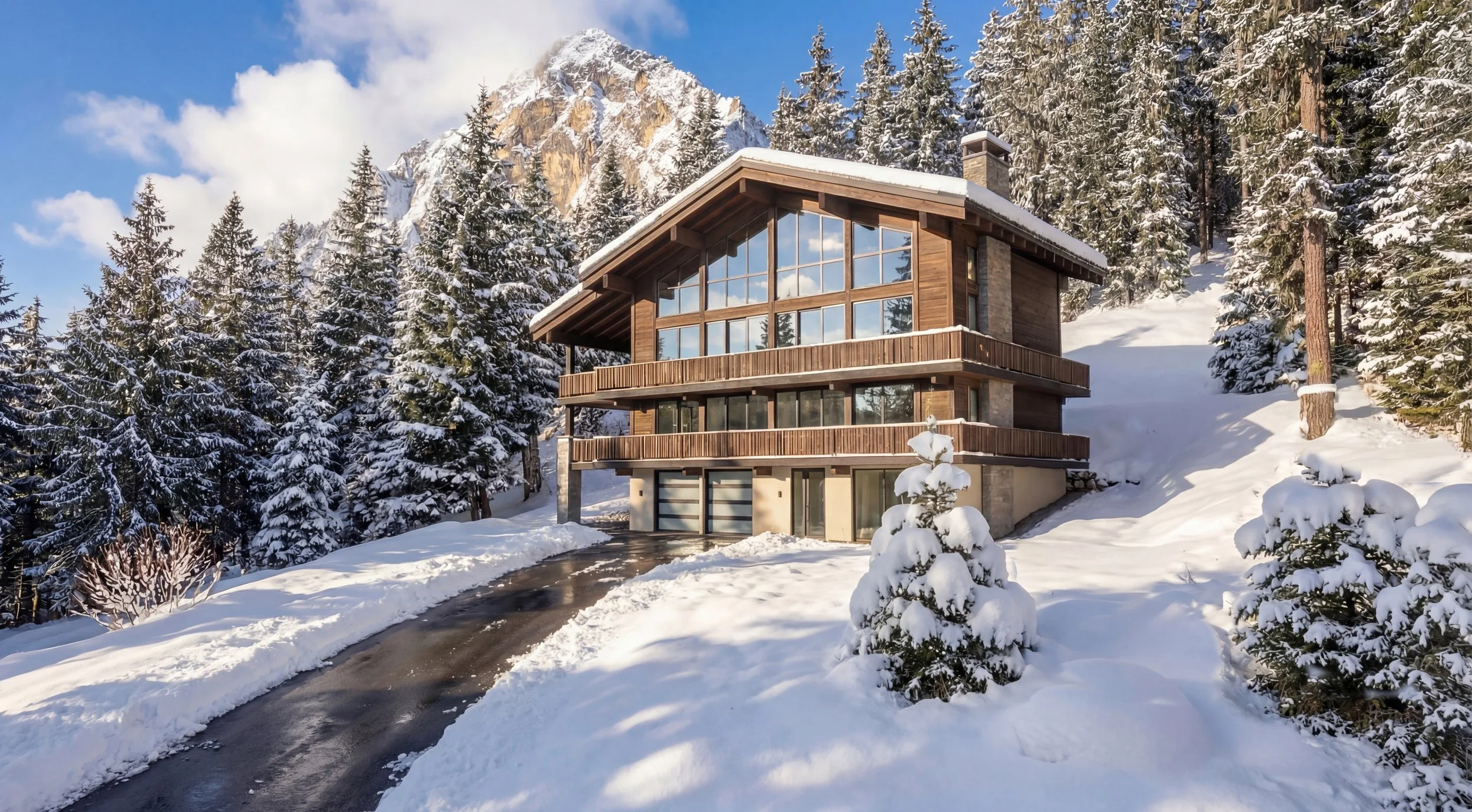
Building a home in the Pacific Northwest is often a pursuit of connection. We look for those quiet corners of Snoqualmie Pass, The Ponderosa treed hillsides of Cle Elum and Suncadia, the rugged ridges of Leavenworth, or the lakeside bluffs of Coeur d’Alene and Sandpoint because we want to live within the landscape, not just beside it. However, the very features that draw us to these locations: the dramatic elevation changes and the heavy winter snowfall: present a unique set of challenges for residential design.
At Terralite Design, we believe that a challenging site is an opportunity for more thoughtful, integrated design. When a lot drops forty feet from the road or sits under six feet of snow for four months a year, the design must respond with precision. It requires a deep understanding of how structures interact with gravity, weather, and the natural environment.
Working with the Terrain: The Art of the Slope
In mountain regions like Cle Elum and Ronald, the terrain rarely offers a flat building envelope. Traditional construction often attempts to fight the land, using massive retaining walls and extensive grading to create a level surface. Our approach is different. We prefer to work with the natural contours of the land, allowing the home to step down the hillside.
Designing for steep slopes starts with the entry experience. Depending on whether the lot is "upslope" or "downslope" from the access road, the home’s layout changes entirely. On a downslope lot, the top floor often acts as the primary entry and main living area, with private spaces tucked quietly below. This configuration preserves the view for the homeowners and ensures the structure does not dominate the ridgeline or obstruct the vistas of neighbors.
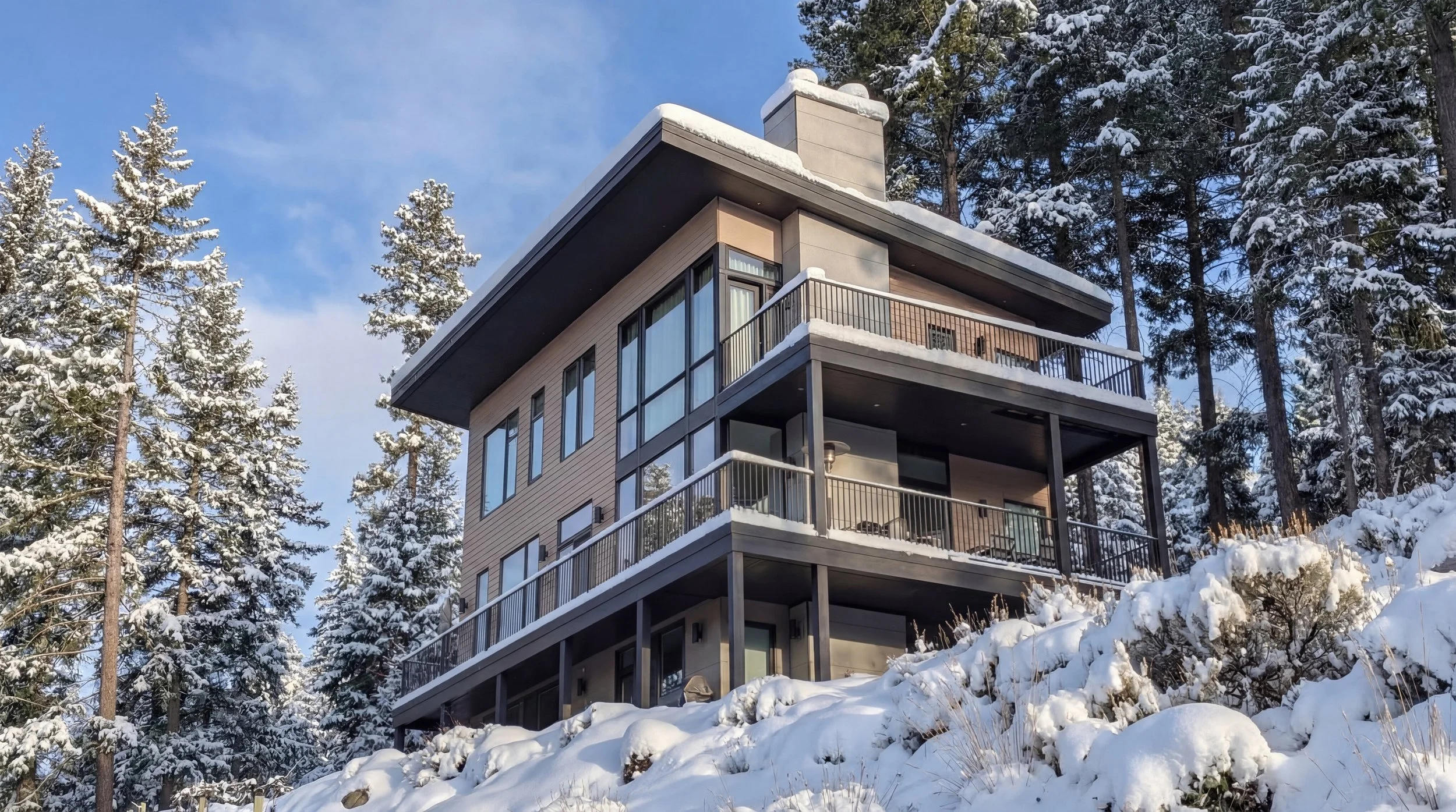
Using a multi-level floor plan helps minimize the footprint of the home on the earth. By stacking the living spaces vertically, we reduce the amount of site disturbance and preserve more of the native vegetation and old-growth trees. This verticality also creates a sense of living in the canopy, where every level offers a different perspective of the surrounding forest and mountains.
Engineering for the Mountain Winter
Winter in the Cascades or the mountains of North Idaho is a force to be respected. In areas like Snoqualmie Pass, snow loads are among the highest in the country. This environmental reality dictates every line of the roof and every choice of material.
A well-designed mountain home must manage snow shedding and ice buildup effectively. We often utilize metal roofing for its durability and its ability to shed snow quickly. However, where that snow falls is just as important as how it leaves the roof. Wide overhangs are a staple of our modern mountain living philosophy. These overhangs protect the home’s siding from moisture, keep entryways clear of falling ice, and provide a sheltered zone for outdoor movement during the shoulder seasons.
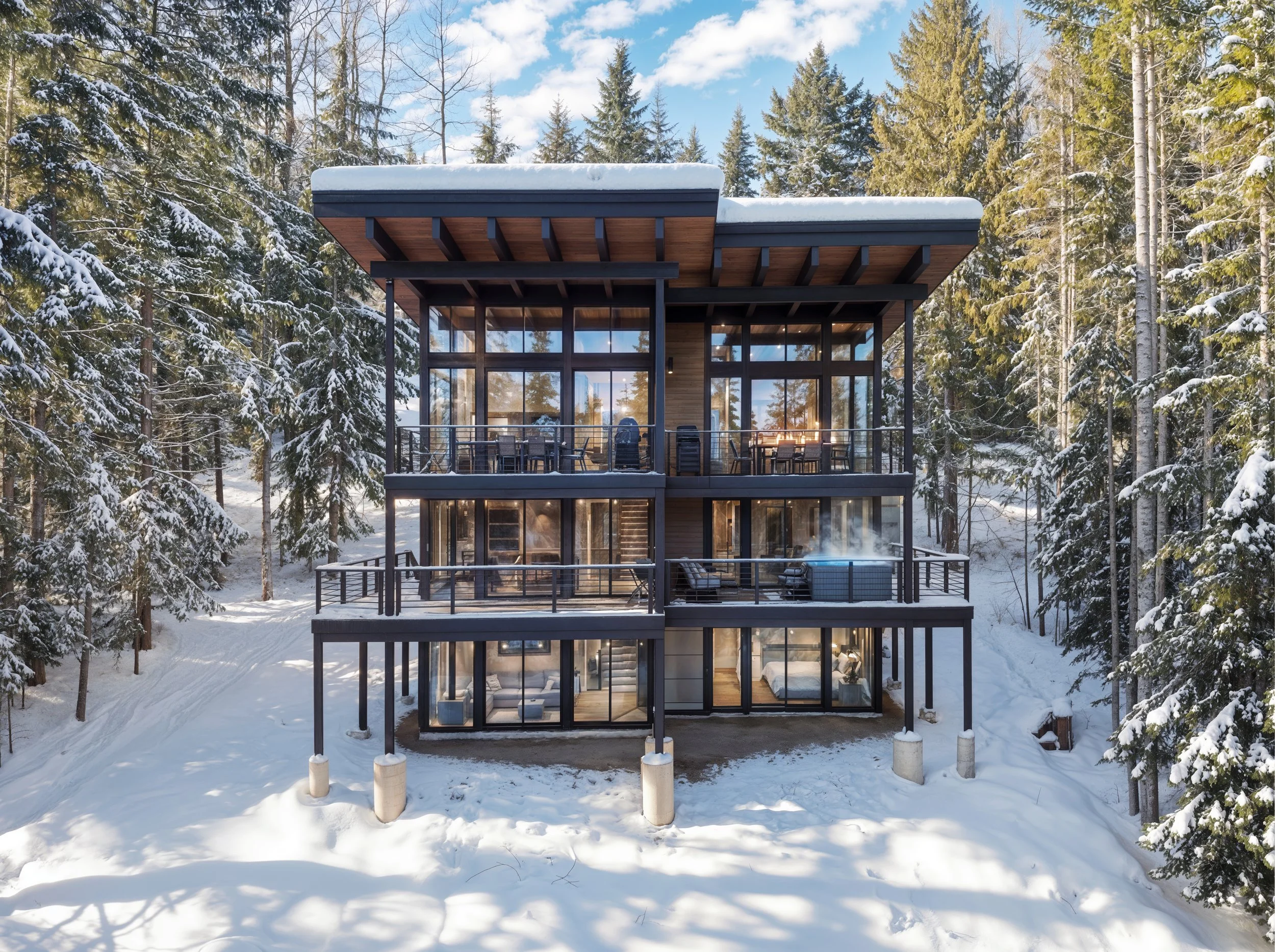
When the snow piles up against the foundation, material resilience becomes the priority. We lean on a palette of natural stone, concrete, and blackened steel for the lower levels of our designs. These materials anchor the house to the site and provide a rugged, weather-resistant base that handles the freeze-thaw cycles of the Pacific Northwest with grace.
Bridging the Gap: Access and Entry
One of the most complex aspects of steep-slope design is the physical connection between the road and the front door. Often, the grade is too steep for a traditional driveway or walkway. This is where the concept of the "bridge entry" becomes both a functional necessity and a dramatic architectural feature.
The Bridge House is a primary example of this approach. By utilizing a glass-walled entry bridge, we can span the gap between the driveway and the main structure. This allows the home to be set further back on the slope, improving privacy and optimizing the view. It also creates a transition period: a physical journey from the car to the sanctuary of the home: that allows the resident to leave the outside world behind.
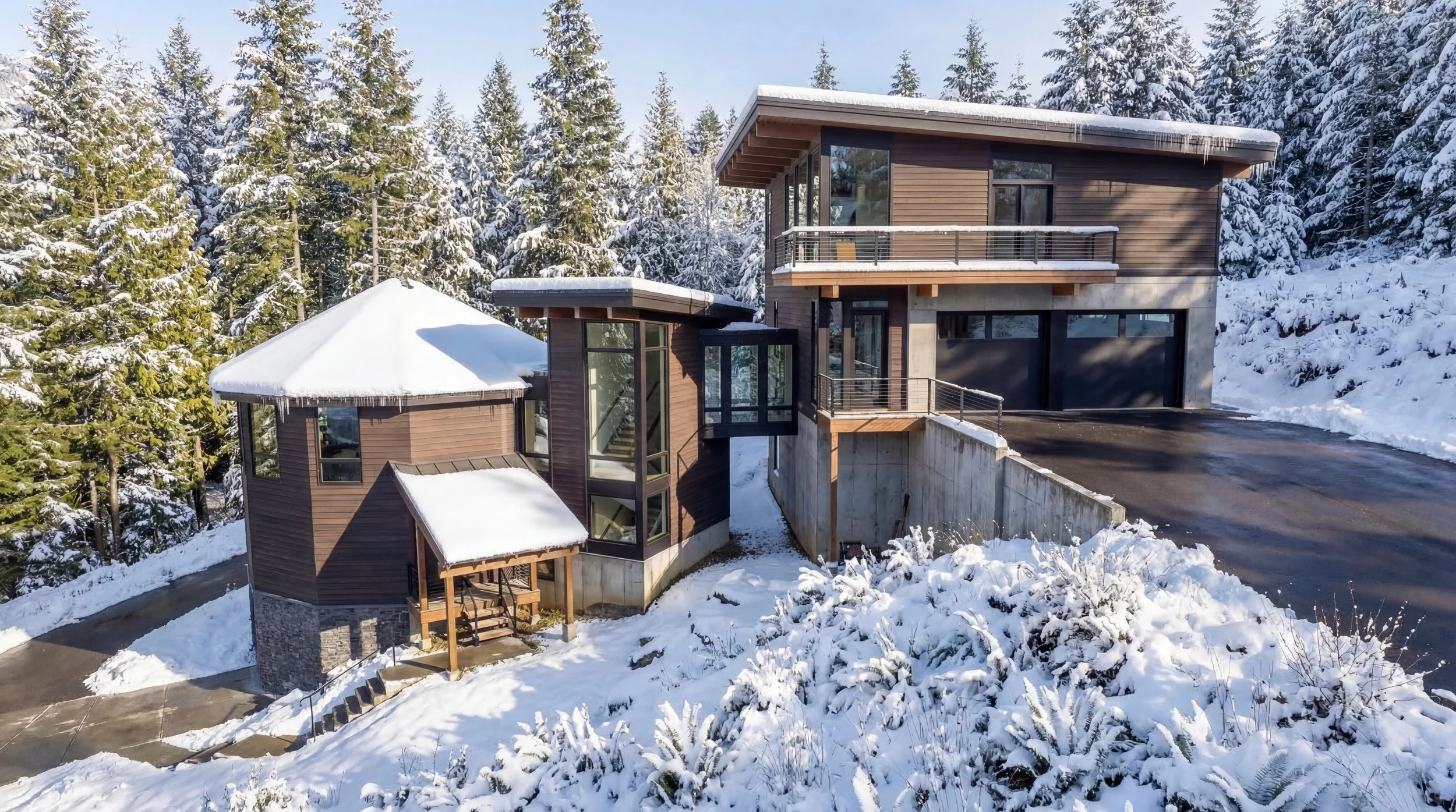
Planning for mountain access also means considering the practicalities of winter. Driveways must be engineered with manageable grades for snow removal equipment, and entries should be positioned to avoid "snow dump" zones from the roof. A thoughtful design professional will always look at the site through the lens of a February blizzard, ensuring the home remains accessible and safe regardless of the weather.
Exterior-Led Comfort: Daylight, Views, and Weather Protection
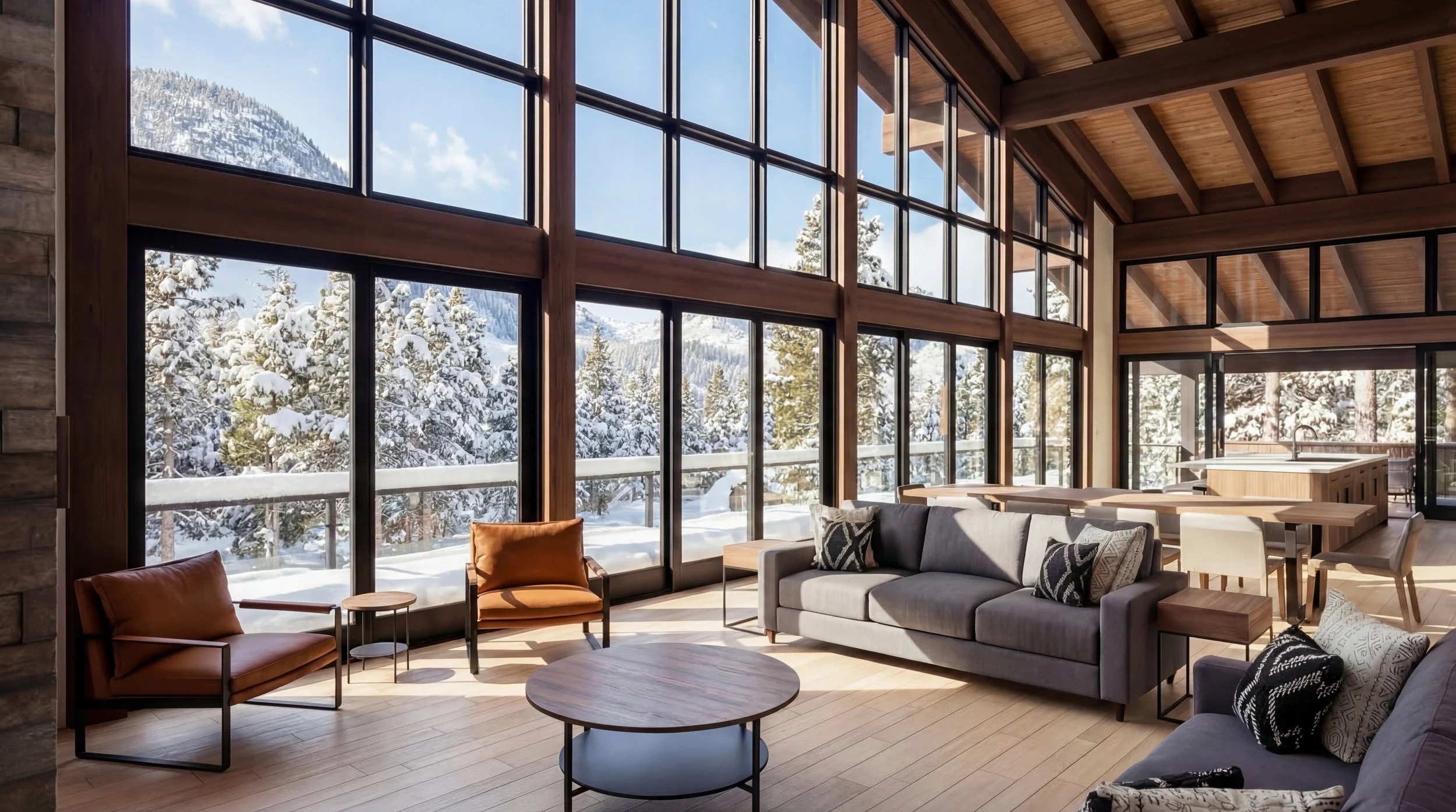
In the Pacific Northwest, winter isn't just about snow; it is about light and exposure. During the shorter days in Suncadia, Cle Elum, and Leavenworth, the most meaningful comfort starts outside, with glazing placement, overhang depth, and how the structure shields openings from wind-driven moisture.
We prioritize large-format windows where they can do real work: pulling daylight deep into the plan while staying protected by roof geometry, recessed walls, and properly sized overhangs. On harsh sites, that usually means concentrating the biggest glazing on the most protected elevations and designing roofs and decks to manage where snow and ice fall, rather than asking the facade to take the hit.
A Natural Material Palette
The goal of our work at Terralite Design is to create structures that look as though they belong to the land. This is achieved through a careful selection of materials that patina naturally over time.
Wood: Cedar siding and Douglas fir beams are classic Pacific Northwest choices. They offer a warmth that balances the coolness of the mountain air.
Stone: Using local stone to anchor the base of the house creates a sense of permanence and connects the structure to the geology of the site.
Metal: Blackened steel and metal roofing provide a contemporary edge and high-performance protection against the elements.
Glass: Large-format glazing is used strategically to frame views like art, turning the surrounding forest into the home’s primary decor.
Designing Your Mountain Legacy
Building on a steep slope or in a harsh climate is a significant undertaking. It requires a design team that understands the nuances of the Pacific Northwest and the technical demands of mountain construction. Whether you are looking at a site in the Snoqualmie Pass area or planning a retreat in Sandpoint, the process begins with a deep respect for the land.
We invite you to explore our featured projects to see how we have navigated these challenges for other clients. If you are ready to start the conversation about your own mountain home, we would love to hear from you. You can begin by filling out our client questionnaire or visiting our contact page to schedule a consultation.
The mountains offer a lifestyle defined by beauty and resilience. Your home should be a reflection of those same qualities: a sanctuary that stands strong against the winter and opens itself up to the vast, wild landscape of the Northwest. For more inspiration on residential design and living in harmony with nature, feel free to browse our blog.
